
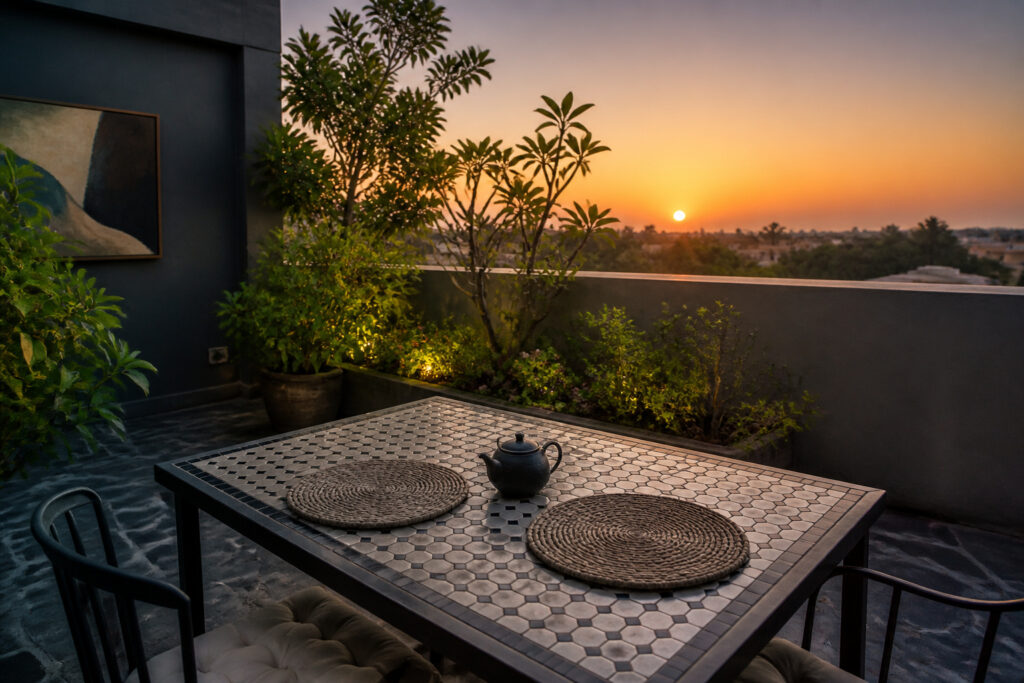
A terrace wins if you want to host, grill, or garden. A balcony wins if you want morning coffee and nothing else. The flip is access: a terrace opens from multiple doors so guests circulate without cutting through your bedroom, while a single balcony door wedged behind a sofa turns every drink refill into furniture relocation. I learned that in a galley kitchen with thirty inches of clearance to the fridge, where moving a bistro table out for cleaning meant full furniture relocation.
Size
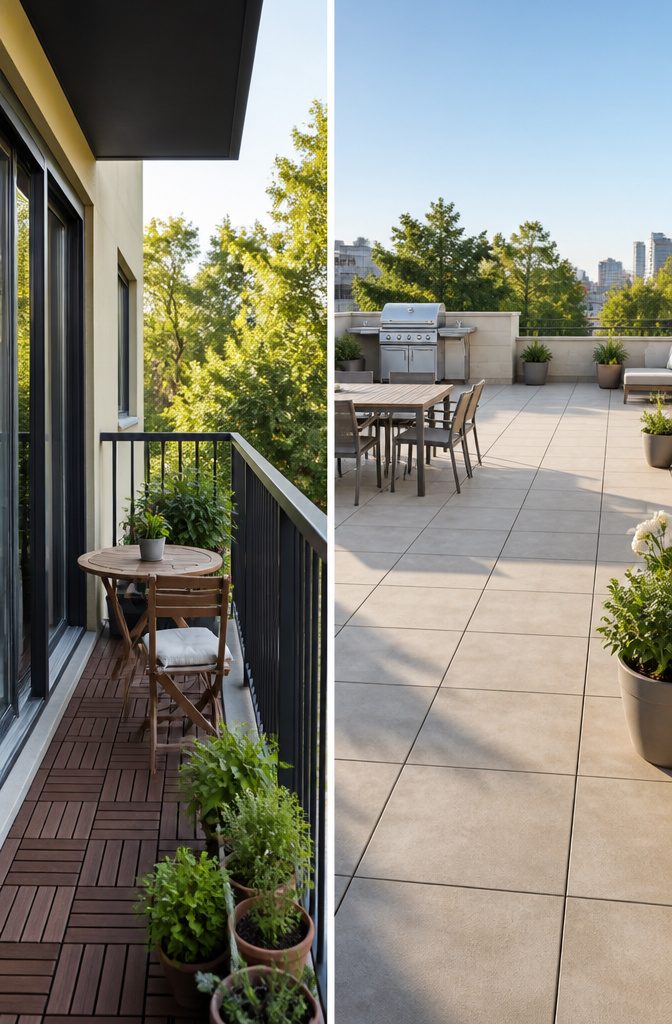
A standard balcony runs about 4 to 6 feet deep and 6 to 10 feet wide, which is just enough for a slim chair, a small table, and the feeling of fresh air. Anything more and you are bumping into the railing. Terraces operate on an entirely different scale. The same sources that priced a 300-square-foot terrace at $10,000 to $20,000 were describing spaces that swallow a full dining set, a grill, and still leave room for planters or a crowd.
That size gap changes what each space is actually for. On a balcony, the project is usually fitting one function into tight quarters: morning coffee, maybe a single lounge chair angled toward the view. A terrace lets you zone the space the way you would a room indoors, with separate spots for eating, sitting, and growing things.
The size of a standard balcony is 4 to 6 feet deep and 6 to 10 feet wide. This means less space for furniture and outdoor activities.
— Angi
For a renter or first-home owner mid-project, this is the practical dividing line. A balcony asks you to edit ruthlessly; a terrace asks what else you want to add.

AMAZING FABRIC: The blackout curtain's fabric is super soft and heavy innovative triple-weave polyester fabric. Same material back as of front makes it appear more elegant. The 14 sliver grommets top (inner diameter is 1.6-inch) adds a modern touch and easy hanging.

High-Quality Polyester Fabric: Made from premium polyester, our panel track blinds provide exceptional strength and durability. They endure fraying and tearing, stay fresh, and are built to last – a reliable choice for your home

【Exquisite Details】Joydeco Blackout Sliding Door Curtains are crafted from high-density polyester fabric—durable, wrinkle-resistant, smooth, and soft to the touch. With a sleek, modern design, they exude elegance. The top features multiple silver rust-proof grommets: not only stylish but also making installation a breeze. Neatly stitched edges add a premium, sophisticated look to elevate any room.
Location
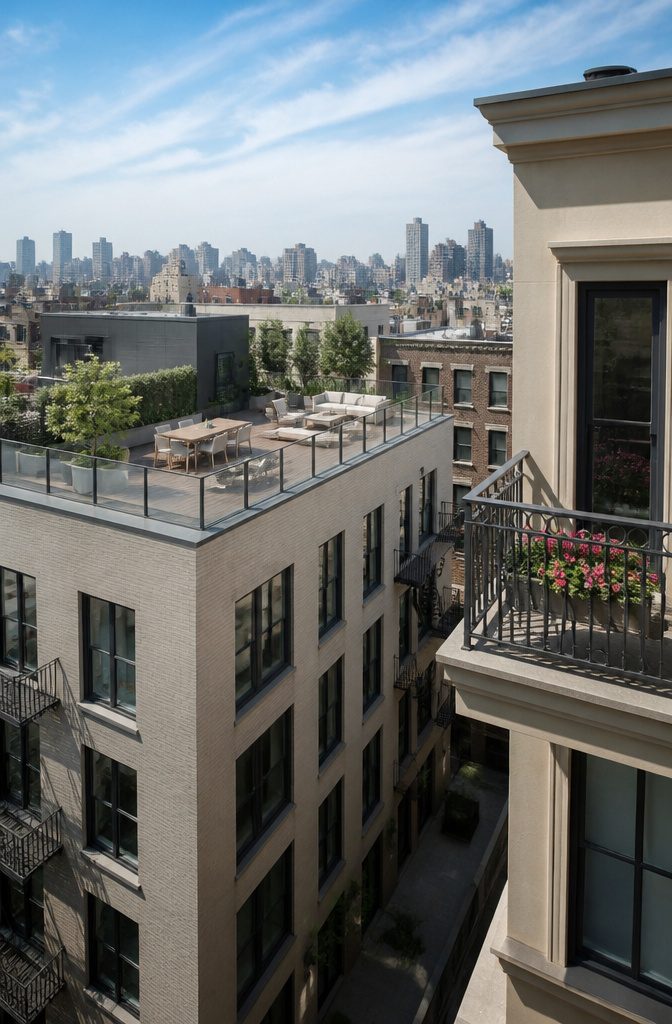
A terrace sits at ground level or on a rooftop, while a balcony hangs off an upper floor. That single choice shapes everything about how you actually use the space.
Ground-level terraces open straight from your living room or kitchen through ordinary doors. No stairs, no elevator ride, no hauling a grill through a hallway. Rooftop terraces trade that ease for the view, and they turn up on apartment buildings where the alternative might be no outdoor space at all. Either way, a terrace can stand alone or connect to the building at several points, which matters when you are trying to move furniture or let a dog out quickly.
Balconies, by contrast, are anchored to a specific room above the first floor. The access is narrow, almost always through a single sliding or French door. Privacy is thinner too; you are looking into neighboring balconies or down onto streets, and they are looking back. The view is vertical, not horizontal, which can feel dramatic or exposed depending on the building across from you.
The building type usually decides for you. Walk-up apartments and townhouses ground their outdoor space as terraces. Mid-rise and high-rise buildings above the second floor give you balconies, with terraces reserved for the roof if the developer bothered. A renter in a 1960s garden apartment probably has a terrace; someone in a newer five-story stick-frame building gets a balcony, and the difference is baked into the slab.

VIBRANT PATIO SEATING: Brighten your balcony or breakfast nook with this colorful bistro set. Includes a folding table and two chairs, perfect for small spaces or creating a cozy outdoor dining area. Adds a cheerful touch to any indoor or outdoor setting.
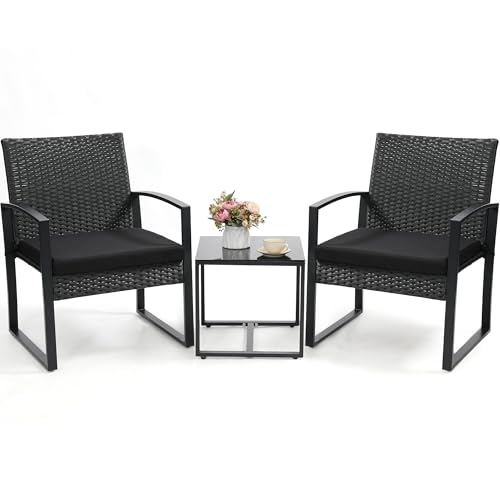
【AESTHETIC AND MINIMALIST DESIGN】The legs connected with seat and armrests. It looks like simple and modern. Each chair has self-adjust feet at the bottom. you can adjust it according to the ground conditions, keep the chair balance.

【Exquisite Handwoven Wicker】 This bistro table and chairs set of 2 is made of premium PE rattan, which gives the look & texture of natural wicker with the durability, weather and UV resistance, woven exquisitely by hand featuring sturdy powder-coated steel frame which offer extra support to stand tough against the elements for years of long-lasting use
Access Points
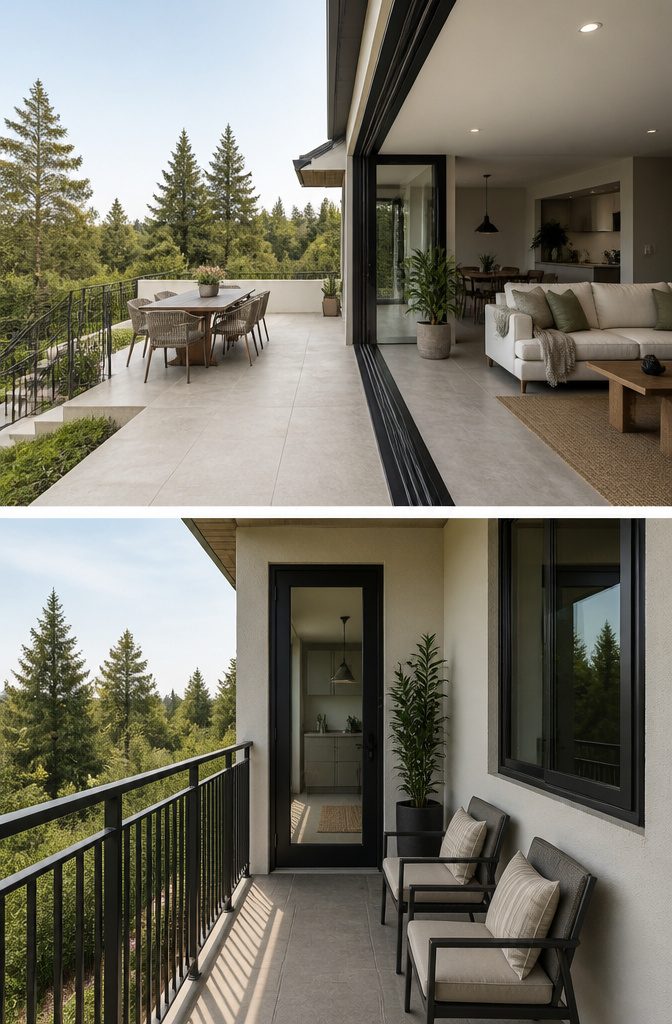
Terraces often open from several directions at once, a living room sliding door here and exterior stairs there, while a balcony typically gives you one way in through a single room. That difference reshapes how you actually use the space. Multiple access points let guests circulate without cutting through your bedroom, and they spare you the awkward bottleneck of a balcony door wedged behind a sofa or wedged open by a dining chair.
I learned this layout lesson the hard way in a previous apartment where the balcony opened off the kitchen with barely thirty inches of clearance to the refrigerator. Moving a simple bistro table out for cleaning meant full furniture relocation, and entertaining required a relay through the galley every time someone wanted air. Terraces, by contrast, let you stage food from one entry, send smokers to another, and still have a private route back inside. For a weekend project on a few hundred dollars, that flow is worth weighing before you commit to any layout.

HEAT RETENTION - The 20mm thick ceramic lining stores heat for steady cooking and even heat flow, helping seal in juices and natural flavor for tender, moist results every...
Construction
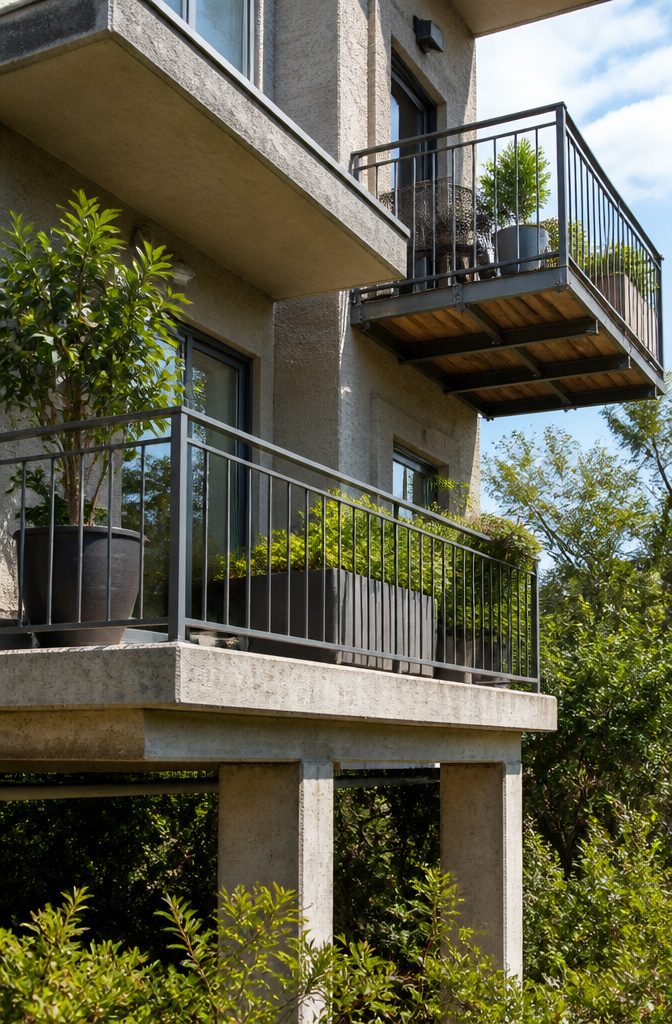
A balcony hangs from the building itself, cantilevered beams or steel brackets taking the load. That design means weight travels back to the wall connection, and you feel it. Step onto a cheaply built balcony and the deck can have a slight spring underfoot, a reminder that you’re standing on a platform engineered to stay light. A terrace sits on its own foundation, concrete footings and full framing below, which is why it feels as solid as ground level even ten stories up.
That structural difference sets what you can place on each. A terrace will take a full dining set, a planter box, a small fire feature, no question. A balcony demands you think in pounds. The brackets are rated for a load, and the total includes furniture, people, water in saucers, snow if you’re northern. A small balcony build runs $2,000 to $30,000, but the lower end usually means tighter specs and less margin for error.
I spend time on both, and the give in a balcony deck isn’t a flaw, it’s information. You learn to read it, to notice when a board feels softer than last season. Terraces don’t ask that of you. The tradeoff is space and cost per square foot, but the quiet confidence under your feet is what sells a terrace to anyone who plans to live outside regularly.
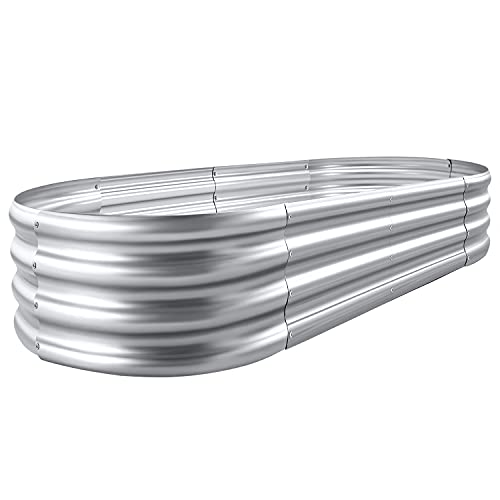
Each raised metal garden bed size: 4×2×1ft ,7.14Cu

CONVENIENT MOBILE RAISED BED GROW BOX – The city picker is the ultimate raised bed gardening system. The unit is mobile and features four swivel casters for easy transport and sun tracking that works great in areas with limited space. The unit is perfect for patios, apartments, or even fire escapes

High Quality: Made of high quality plastic, which is durable, allows you to reuse the planter for several seasons.
Definitions
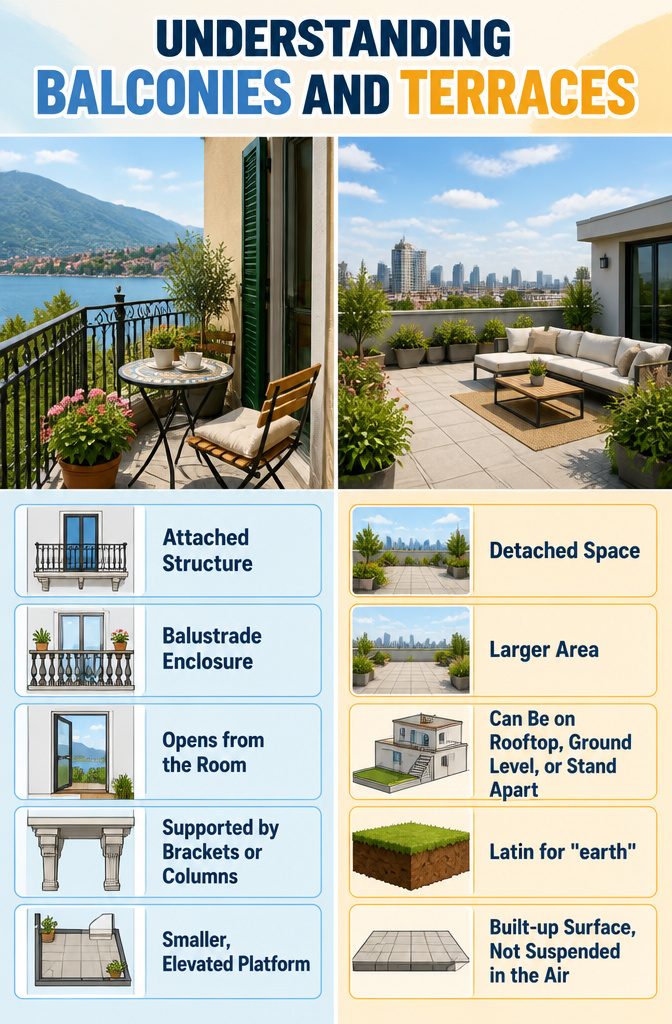
A balcony is a small, elevated platform fixed to the side of a building, projecting out and supported by brackets or columns. It opens from the room it serves and is enclosed by a balustrade. A terrace, by contrast, is a larger, open, raised flat area that can sit on a rooftop, at ground level, or stand entirely apart from any structure. The word itself comes from the Latin for "earth," which hints at the original meaning: a built-up surface rather than something suspended in the air.
That distinction matters the moment you start planning furniture or guessing how many people fit. A balcony is attached; a terrace can be detached. I’ve seen renters assume "terrace" on a listing meant a generous balcony, then show up to a ground-floor concrete pad with its own entrance. The definitions aren’t decorative. They predict what you’ll actually use.

【Sufficient Privacy】Balcony Privacy Screen is made of 100% new high density polyethylene(HDPE) material, which has excellent shading performance and provides 95% UV protection, 85%-90% shading rate, no recycled materials used, more healthy and safe.

(Breathable Material with Some Visibility Through) Made with 100% new high density polyethylene(HDPE) material--no recycled materials used,more healthy and safe. Allow breeze and light pass through for better comfort space. Commercial solid fabric can achieve 95% UV protection to meet your requirement.Deck Shield Cover is perfect for Backyard Deck, Patio, Balcony Pool, Porch Railing.
【Sufficient Privacy】Balcony Privacy Screen is made of 100% new high density polyethylene(HDPE) material, which has excellent shading performance and provides 95% UV protection, 85%-90% shading rate, no recycled materials used, more healthy and safe.
Usage
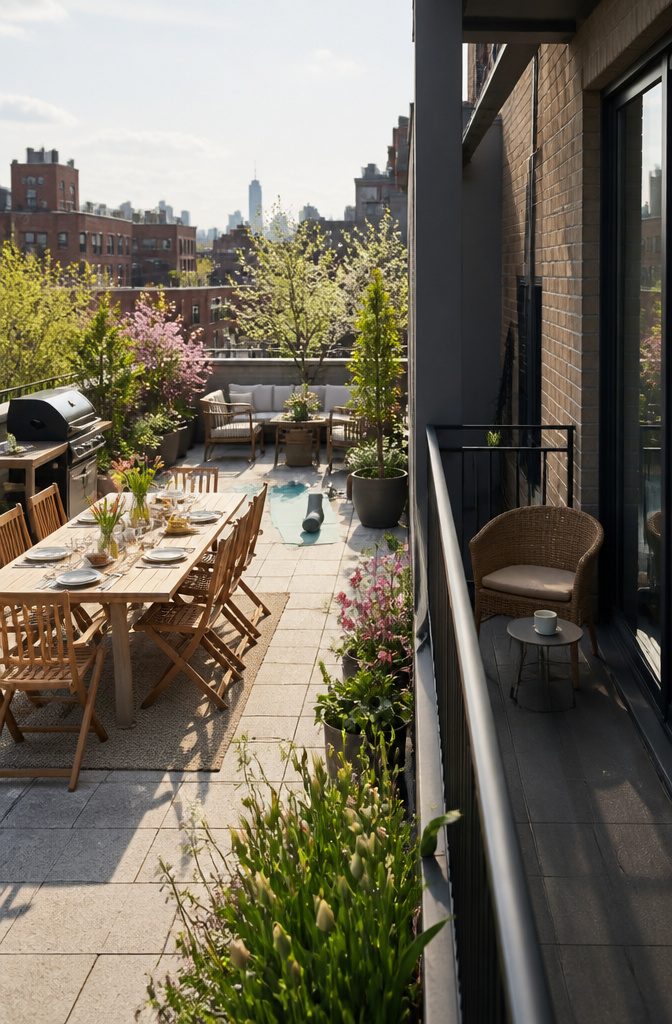
A balcony invites you to sit with coffee and a view, and that is about where the guest list ends. I have tried to squeeze four people onto a standard balcony for drinks, and the chairs won the battle. The space dictates the use: light seating, a small planter, maybe a book. Terraces run larger, and the shift matters. A terrace can hold a grill, a dining table, the kind of gathering where people actually move around. I have seen them double as gardens, exercise corners, full outdoor rooms.
The privacy differs too. Balconies in apartment or condo setups sit close to neighbors, which turns a morning coffee into a shared experience whether you want that or not. Terraces, with more square footage and often more screening options, let you decide who sees what.
Weather exposure hits terraces harder. Many balconies gain some cover from the building above; terraces sit open to sun, rain, wind. The maintenance load scales with that openness, so the same space that hosts the BBQ also demands sweeping, pressure washing, waterproofing checks. The tradeoff is real: intimacy versus capacity, shelter versus sky.

No Drilling & No Damage: Featured with upgraded strong adhesive tape, no extra tools or curtain rods are needed. It adheres firmly to glass and smooth surfaces without damaging doors, walls or leaving sticky residues. It is ideal for rental houses, apartments and anyone who wants to preserve original decorations.

100% Blackout Curtains: Our Blackout Curtains for sliding glass doors ensure a completely dark room, isolate noise and protect privacy. These room darkening curtains can block 100% sunlight.Heavy duty curtains keep heat indoors in winter and discharge heat in summer, thereby reducing cooling and heating costs , While protecting your furniture, floors and artwork from the sun damage

100% Blackout Curtains: Our Blackout Curtains for sliding glass doors ensure a completely dark room, isolate noise and protect privacy. These room darkening curtains can block 100% sunlight.Heavy duty curtains keep heat indoors in winter and discharge heat in summer, thereby reducing cooling and heating costs , While protecting your furniture, floors and artwork from the sun damage
Maintenance
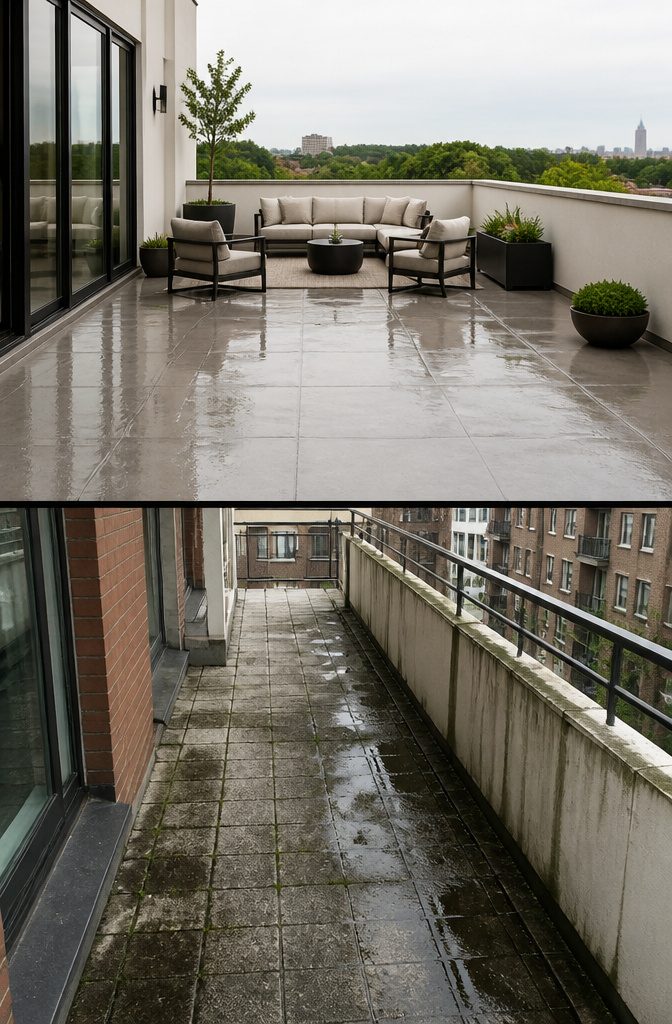
A balcony asks so little that the yearly job fits into a single Saturday. Seal the wood or composite once over, check that the bolts still bite, and make sure water runs toward the drain instead of pooling against the wall. I have watched a $200 early fix hold a balcony sound for years.
A terrace, with more surface fully open to weather, collects more trouble. The slope matters here: about 1/4 inch per foot so rain runs off instead of sitting in low spots. Resealing takes more time and more product across the larger area, and hardware turns rusty faster than on a small, partly sheltered balcony. Skip that slope check or let a soft spot go, and water finds the joints. The repair bill I have seen run to $3,000 in rot damage on a terrace that could have stayed sound with earlier work.
California law now mandates deeper inspections: SB326 for condos on a nine-year cycle, SB721 for apartments every six years. Moisture meters, borescopes, drill tests. These rules came after the 2015 Berkeley collapse, and the studies since put hidden damage in about 15% of elevated structures. Caught early, the fix might stay near $1,000. Left to fail, the same terrace repair can hit $15,000 or worse.

COMFORTABLE SEAT: Our balcony furniture with clean lines for an elegant and luxurious style. The streamlined design of the wide armrests doubles the comfort by allowing the arms to be free from constraints.

ALUMINUM FRAME: The frame made of high-quality aluminum with black spray-painted gold paint powder coating protects the outdoor patio bistro sets 3 piece from getting rust all weather and ensures the round dining table set durability for years to come

VERSATILE 3 PIECE DINING SET: Ideal for apartments, breakfast nooks, patios, game rooms, home offices & more
Cost
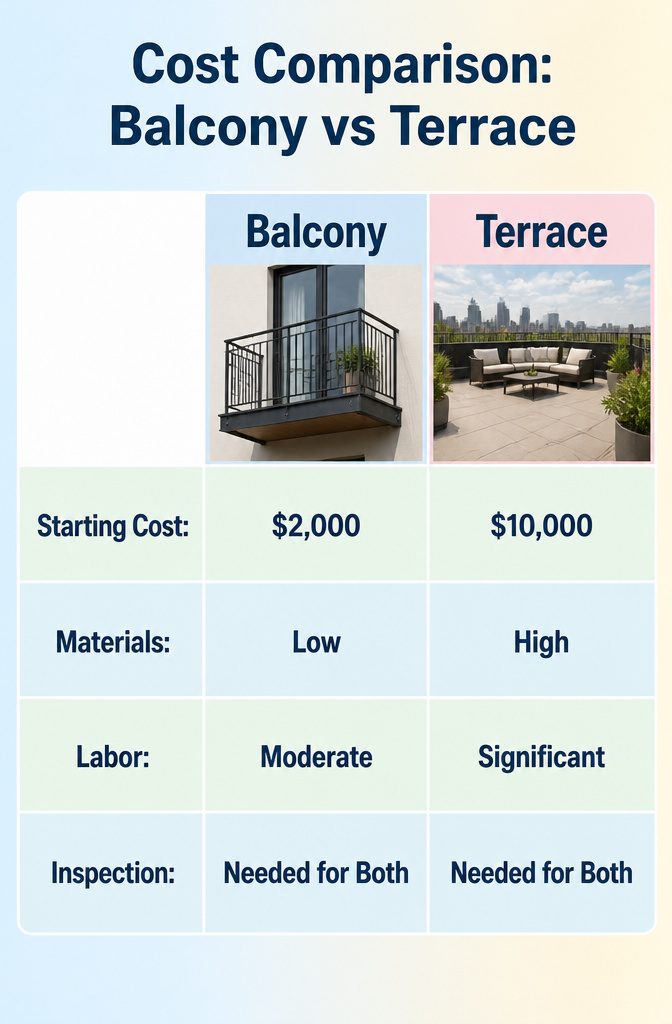
A balcony runs $2,000 to $30,000, and the lower end of that range is where most renters should set their expectations. The structure bolts to an existing wall with cantilevered beams or steel braces, which keeps both material and labor down. Terraces start around $10,000 and push past $20,000 for roughly 300 square feet because they need concrete footings, posts, beams, and sometimes steel for wider spans. That gap widens fast on anything elevated.
If you are renting, the balcony is almost always what you inherit, and the $2,000 figure is closer to a repair or refresh than a build for most people. Owners weighing a terrace addition should budget for the full structure from the ground up or from the structural slab outward. Waterproofing where a balcony meets the house is the one place not to cheap out; terraces have more joints and more square footage where water can find a path. Cities want permits for either, and the inspection costs hit both sides, but the terrace’s heavier engineering means more points of failure to check.
Safety Regulations
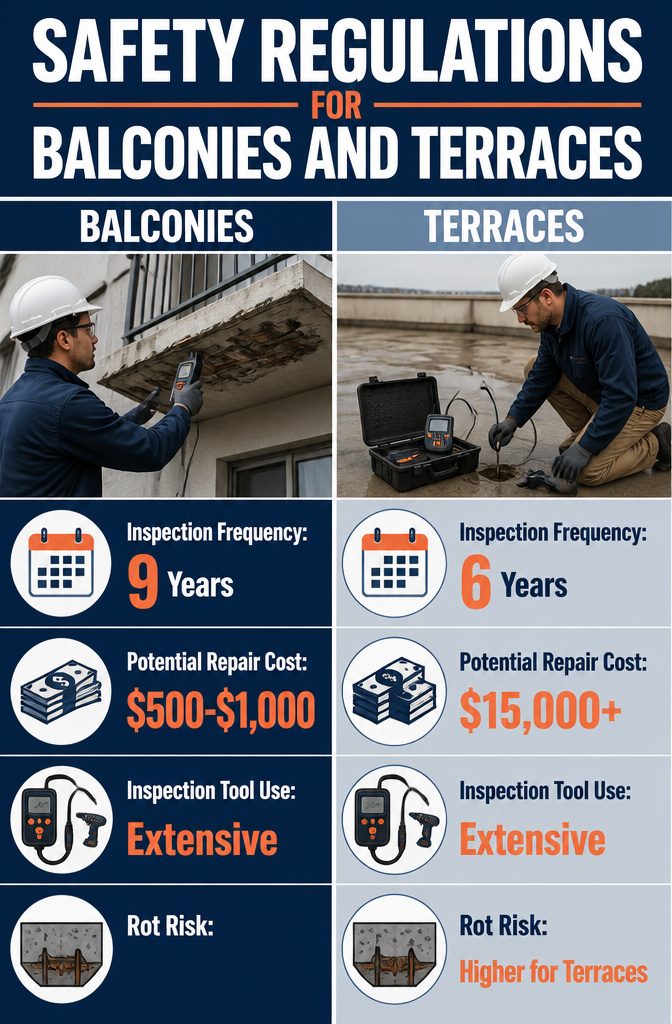
California has some of the clearest rules for keeping elevated spaces safe, and they illustrate why the distinction between terrace and balcony matters to inspectors. SB326 requires condo balconies inspected every nine years; SB721 requires apartment balconies inspected every six. Both laws emerged after the 2015 Berkeley collapse killed six people when rotted supports gave way.
The process is invasive. Inspectors bring moisture meters, borescopes, sometimes drills to test what water has damaged underneath. Terraces with larger surfaces can pool more water, so rot spreads wider before anyone spots it. Post-Berkeley studies found damage hiding in about 15% of elevated structures. Caught early, repairs might run $500 to $1,000. Missed, the same fix can hit $15,000 or higher.
These are California codes, not national ones. Your city or state may have different timelines, different inspector qualifications, or no mandatory program at all. The principle still holds: elevated outdoor space needs deliberate checking, not a casual once-over from a landlord with a flashlight.

Balcony Rail Planter: Rectangular outdoor planters was designed to maximize inside growing space allowing dirt and roots to grow strong and deep.This special design can be hung on the balcony, window, garden,railing, anywhere in the room,also can be used as desktop.

【 Vertical Raised Garden Bed with Trellis】Perfect for home gardening lovers, this herb planter outdoor with 4 garden boxes let you plant vegetables, herbs, and flowers in separate plant bed while the 11-inch trellis supports climbing plants like tomatoes, strawberries, vines, and peppers. The balcony raised garden beds outdoor with legs creates an optimal environment for your plants to thrive.

THREE SIZES INCLUDED: Dimensions: Small: 11 in. D x 11. 1 in. H / Medium: 14. 2 in. D x 14. 7 in. H / Large: 17. 2 in. D x 17. 4 in. H
Aesthetic Impact
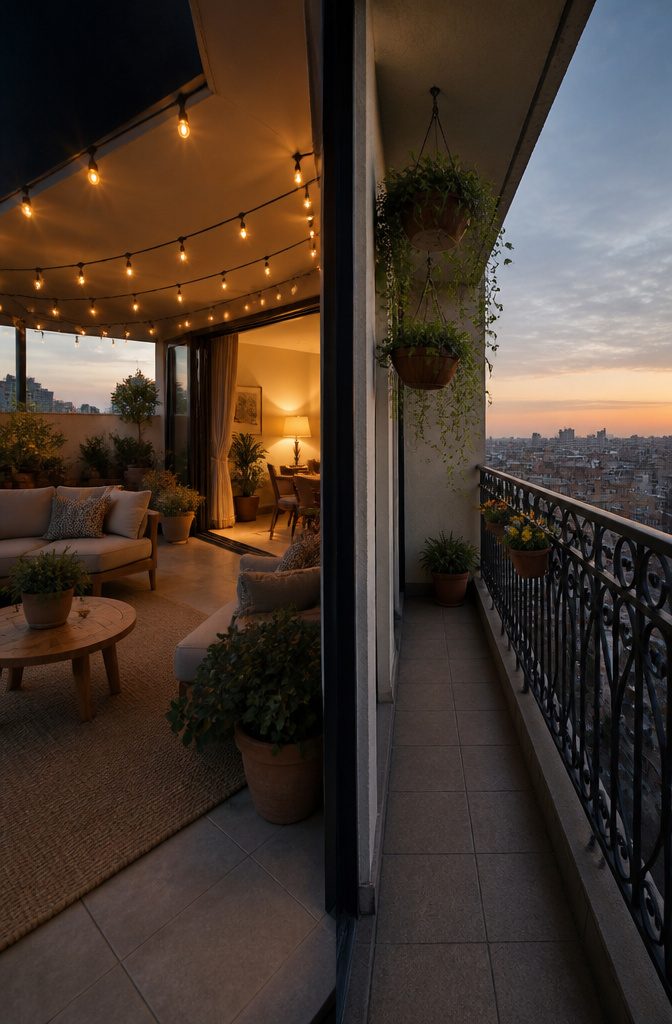
A terrace reads as an extension of the room behind it, not a bolted-on afterthought. The ground-level surface and the extra square footage let you stage a dining set, a few pots of jasmine, maybe a string of lights overhead, and the whole thing still photographs as one continuous space when you shoot from the kitchen doorway. Balconies fight that cohesion. The railing dominates the sightline from inside, and the floor plane drops away at a thin edge that always reminds you where the building ends.
From the street, the difference is just as blunt. A terrace layered with plants and a low bistro setup looks like a pocket garden someone lives in. A balcony with the same effort reads as a railing someone decorated, because the structure itself is what the eye catches first. For renters, this means a balcony rewards vertical tricks: hanging planters, a tall narrow shelf, a slim runner that draws the eye lengthwise rather than out toward the rail. Those choices cost maybe $80 and a Saturday morning, and they shift the focus from the cage to the contents.
I learned this the hard way in my first rental, spending on a wide outdoor rug that stopped at the railing edge and visually chopped the space in half.

Durable Material: Made from tough, high-quality fabric that stands up to the weather. It breathes well so air goes right through, keeping things cool and preventing the wind from tearing it down.

Upgrade iCover Privacy Screen For Fence: Our privacy screen is made of heavy-duty knitted net, measuring 4 ft high by 12 ft long. It is suitable for fences with a height of 4 ft or slightly higher. Please accurately measure your fence before purchase

【Breathable Material】This shade cloth is made from new high density polyethylene material with knitted construction resists tearing and fraying. Allows breezes to pass through for better airy and comfortable space.
Frequently Asked Questions
What is the difference between a terrace and a balcony?
A balcony is a small, elevated platform fixed to the side of a building, usually 4 to 6 feet deep and 6 to 10 feet wide, with a single access point from the room it serves. A terrace is a larger, open, raised flat area that can sit at ground level, on a rooftop, or stand apart from any structure, often with multiple entry points. The core distinction: a balcony is attached and suspended; a terrace can be detached and sits on its own foundation.
Which is better, a balcony or a terrace?
It depends on your space, budget, and how you plan to use the outdoor area. A balcony fits tight quarters and single functions like morning coffee, with lower build costs of $2,000 to $30,000. A terrace suits larger gatherings, zoned outdoor living, and gardening, but starts around $10,000 and pushes past $20,000 for roughly 300 square feet. Renters in mid-rise and high-rise buildings usually get balconies; walk-ups and townhouses more often ground their outdoor space as terraces.
How much does it cost to build a balcony or terrace?
A balcony runs $2,000 to $30,000, with the lower end covering most repair or refresh projects for renters. A terrace starts around $10,000 and reaches $20,000 or more for about 300 square feet, driven by the need for concrete footings, posts, beams, and sometimes steel for wider spans. The balcony’s cantilevered design keeps material and labor down; a terrace’s heavier engineering means more points of failure to inspect and more waterproofing to maintain.