
I’ve built Adirondack chairs from pine that rotted in three years and from teak that’s still sitting pretty after fifteen, so wood selection directly impacts longevity more than any design decision.
For durability and style, I rank my options in three tiers.
First, teak gives you 20+ years with zero maintenance and a silvery patina I prefer.
Second, cedar and cypress hit the sweet spot around $200 per chair with 10-15 year lifespans if you seal them every 2-3 years.
Third, white oak and mahogany handle cold climates beautifully, while Ipe delivers teak-level performance at a premium price.
Match your wood to your climate, budget, and maintenance commitment, and you’ll build something that outlasts you.
Each choice carries practical trade-offs worth understanding.
Best Wood for Adirondack Chairs: A Decision Framework
Why does wood choice matter so much for a chair that’ll bake in the sun and soak in the rain? Cheap wood warps, cracks, and invites rot within two seasons.
Here’s my framework for choosing wisely.
First, I consider my climate. Wet, humid regions demand woods with natural defenses. Teak contains oils that repel water and pests without chemical treatments. Cedar offers similar protection at a lower price point, though it needs more attention over time.
Second, I weigh maintenance against longevity. Teak ages gracefully to silvery gray with minimal oiling. Cedar requires annual sealing to preserve its rich color.
Third, I set my budget realistically. Quality lumber costs more upfront. Replacing cheap chairs every three years costs more than investing in durable wood once.
Teak: Unmatched Weather Resistance and Longevity
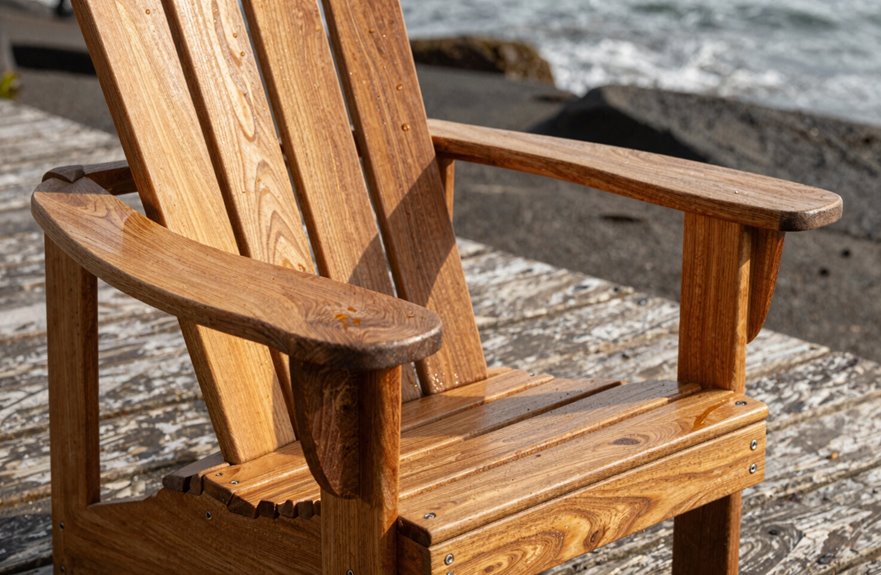
Teak is a wood I consistently recommend when durability matters. Teak delivers unmatched weather resistance because its natural oils fight moisture, rot, mildew, and pests without any help from you.
Teak’s natural oils fight moisture, rot, and pests without any help from you.
- Leave it untreated, and it’ll shift from golden-brown honey to that silvery-gray patina we all recognize.
- Clean it yearly with mild soap and water. Oil it once or twice if you want to keep the warmer tone.
- Look for mortise-and-tenon joints. They lock the frame together tight through storms and sun.
- Choose Grade A teak from responsible plantations. You get durability, beauty, and you belong to a group that cares where its wood comes from.
Cedar and Cypress: Best Budget Woods for Outdoor Use
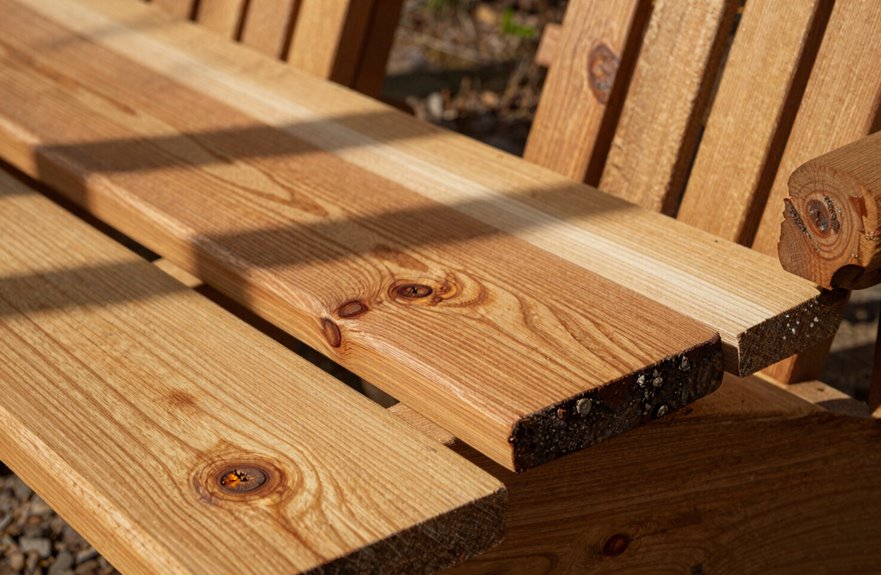
Few woods deliver this value. Cedar and Cypress are ideal for weather-ready chairs on a budget.
- Both woods bring natural resistance. Cedar and Cypress resist decay and insects on their own, so your chair survives year-round sun and rain.
- You get beauty too. Their warm grains and rich tones look inviting on any porch or patio, and they cost far less than teak.
- Maintenance stays simple. Their natural oils fight moisture, which cuts down on warping and cracking. Apply a quality sealant every season or two to maintain color and structural integrity.
You get lasting comfort without premium cost.
White Oak and Mahogany: Heavy-Duty Hardwood Options
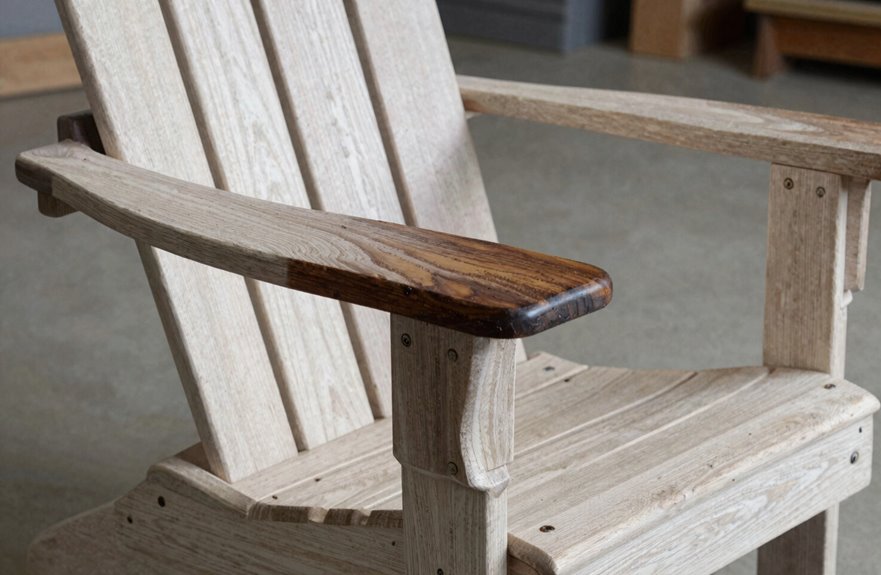
If you’re ready to step up from budget picks, white oak and mahogany deserve your attention. These heavy-duty hardwoods bring lasting durability to your outdoor space.
| Feature | White Oak | Mahogany |
|---|---|---|
| Key strength | Dense, rot-resistant, stable | Strong grain, resists warping |
| Joint performance | Excellent mortise-and-tenon grip | Holds fasteners securely |
| Finish results | Takes paint beautifully | Natural oils fight moisture, insects |
I built my first white oak chair six years ago. It still sits on my porch in the same condition as day one. Mahogany costs more upfront, but its dimensional stability means fewer cracks when seasons change. Both accept finishes well, so you’ll spend less time on maintenance. For furniture built to last decades, these hardwoods deliver the performance your investment requires.
Ipe and Exotic Hardwoods: Premium Performance, Premium Price
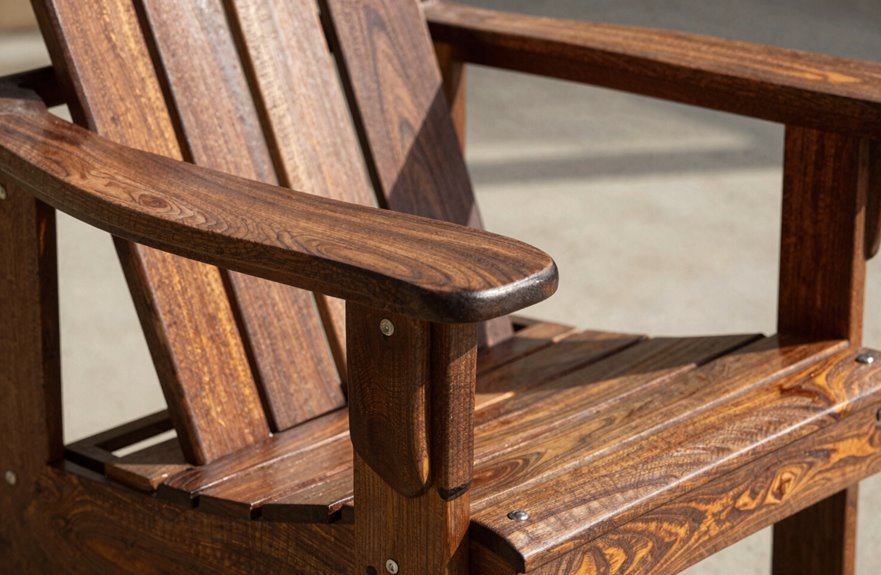
When you’re ready to build a chair that’ll last decades, Ipe brings exceptional hardness and density that resists scratches, dents, and harsh weather. You’ll pay premium prices and work up a sweat cutting it. Its deep brown color with subtle red and purple tones, plus that silky-smooth grain, makes every chair look like fine outdoor furniture from day one. This guide covers why this investment delivers results, what challenges you’ll face, and how to decide if the weight and tool-sharpening demands are justified by the durability you’ll gain.
Exceptional Hardness and Density
Although you’ll pay more upfront, Ipe and other exotic hardwoods deliver unmatched durability for Adirondack chairs that truly stand the test of time. Their exceptional hardness and density resist dents, scratches, and daily wear that softer woods can’t handle.
Consider these qualities:
| Property | What It Means for Your Chair |
|---|---|
| Hardness | Resists impacts from dropped tools, feet, and weather debris |
| Density (Ipe: 68 lbs/ft³) | Creates a solid, substantial feel that won’t wobble or weaken |
| Natural oils | Shrug off moisture without added chemicals |
| Weight | Stays put in storms, though you’ll need help moving it |
This density makes exotic hardwoods heavier and harder to cut, but you’re building something permanent. Check for responsibly sourced Grade A certifications. Your investment delivers decades of reliable performance without structural degradation or maintenance costs associated with softer wood species.
Rich Color and Grain
Beyond raw toughness, Ipe and its exotic cousins bring genuine beauty to your backyard. Wood that makes neighbors slow down and ask questions.
Here’s what sets these hardwoods apart:
- Deep brown tones with red and purple hints catch the light differently throughout the day
- Fine, smooth grain feels almost silky under your palm
- Dense structure resists scratches from patio life, kids, and pets
Ipe specifically delivers exterior durability that keeps those rich colors intact season after season. The upfront cost is higher. The chairs weigh more. When you’re sitting in something this striking, you belong to a different category of outdoor living entirely.
Choose Grade A plantation-sourced Ipe. Your backyard deserves it, and so do you.
Investment Value Considerations
Why pay three to four times more for Ipe when pine costs so much less? I asked myself this before building my first premium chair.
Ipe delivers unmatched durability. It lasts 50+ years outdoors without rot. That density, three times harder than oak, resists scratches, insects, and warping. I’ve watched pine chairs splinter within five seasons while my Ipe pieces age gracefully to silver-gray.
Yes, you’ll pre-drill every hole and use specialized stainless fasteners. The cutting tires blades faster. But I calculate cost-per-year: a $1,200 Ipe chair runs $24 annually versus $200 yearly for three $300 pine replacements.
Your investment holds resale value too. Buyers recognize Ipe’s prestige. For those of us building legacy pieces rather than disposable furniture, this wood earns its premium through decades of service.
Pressure-Treated Pine: When Cheap Works (and When It Doesn’t)
Pressure-treated pine tempts budget builders with its rock-bottom price tag, often running half the cost of cedar or a tenth of teak for a three-board seat-and-back setup. You’ll save money upfront, but plan on sanding, sealing, and re-coating every 12 to 18 months if you want it surviving past four or five seasons. For a batch of summer camp chairs you’ll replace in 2026, it’s acceptable. For the dock chair your grandkids might inherit, it’s not a practical choice.
Cost Versus Longevity
How do you balance saving money now against spending more later? PT pine costs roughly a third of teak, and that upfront gap feels tempting for any budget. Yet durability drops sharply when left open to sun and rain cycles.
- PT pine resists rot on the surface, but its soft grain warps and cracks much faster than solid hardwoods.
- You’ll likely replace or repair these Adirondack chairs within five to eight years instead of fifteen or twenty.
- Your covered porches help, yet PT pine still doesn’t match natural cedar or teak for long-term outdoor strength.
When you weigh the numbers, buying cheap means buying twice. The replacement cost and labor exceed what you’d spend on a durable material from the start.
Maintenance Requirements
Where exactly should you place a pressure-treated pine Adirondack chair so it doesn’t fall apart on you? Tuck it under a covered porch or shaded dock. Full sun and rain beat down its softwood grain, causing warping or decay.
To maintain your chair:
- Inspect wood each spring. Look for cracks or surface checking.
- Clean it with soap and water, then let it dry 48 hours.
- Apply sealant or exterior paint every 12 months. Cover all end grains.
- Tighten loose screws so frame stays solid.
Without this routine, your chair loses durability. Pressure-treated pine saves money upfront, but only if you commit to upkeep. Skip maintenance, and you’ll replace it sooner than expected.
Douglas Fir and Acacia: Workable but High-Maintenance Choices
Why settle for woods that demand extra care when you build an Adirondack chair? Douglas Fir and Acacia are solid options that need your attention, but reward your effort.
Both species cut clean and shape fast. Douglas Fir routes into curved arms without tear-out, and Acacia sands to a silky finish that shows off its reddish-brown glow.
What you should weigh:
- Douglas Fir dents easily and warps if you skip sealing it yearly with marine-grade varnish
- Acacia resists scratches better, yet still demands protective coats every 10–12 months
- Both run $3–$5 per board foot versus teak’s $25+, but expect 2–3 hours annual upkeep
If you enjoy hands-on maintenance, these woods suit builders who prioritize visible effort for aesthetic results.
Which Woods Need the Most Upkeep?
When picking wood for outdoor chairs, I steer clear of softwoods like pine because they’ll rot within two to three seasons unless I seal them every six months. Some hardwoods, such as Douglas fir and acacia, also need extra care since their natural oils aren’t strong enough to block rain and bugs on their own. I explain which species demand the most painting, sealing, and full replacement so you can budget your time and money wisely.
Softwoods Needing Frequent Replacement
How quickly can softwoods disappoint you outdoors? I’ve watched pine chairs warp within a single season, and I don’t want that for your backyard retreat.
- Pine and common softwoods rot fast in rain and sun, demanding constant sealing
- Pressure-treated lumber costs less upfront, but you’ll still face repairs after three to five years
- Even under covered docks, softwoods swell and crack without obsessive upkeep
I learned this the hard way. Softwoods simply lack the natural oils that protect teak or cedar. You’ll find yourself budgeting for replacement chairs far sooner than you’d like. The math stings: two or three cheap softwood chairs over a decade cost more than one quality hardwood piece. A single quality hardwood piece will outlast multiple softwood replacements by years, making it the better financial choice.
Sealing Vulnerable Hardwoods
Where should you focus your maintenance efforts when building with hardwoods? Not all hardwoods share the same rot resistance, and knowing the difference saves you time.
- Teak: I barely touch mine. Its natural oils fight moisture and pests, so sealing happens only when I want richer color.
- White oak and red cedar: These offer solid rot resistance, but I seal them every 2-3 years to stop UV fading and surface graying.
- Mahogany and similar woods: These require more frequent sealing. Without it, they crack, warp, and check within one season outdoors.
I check my chairs each spring. I clean with mild soap, let them dry 48 hours, then apply penetrating oil or marine varnish. This routine protects my investment and keeps our outdoor space welcoming.
Painting To Prevent Decay
Sealing hardwoods keeps them healthy, but some woods simply demand more protection than oils can provide. When you’re building outdoor furniture, moisture resistance matters more than aesthetics alone. The right finish depends heavily on the wood species you chose.
- Pine needs paint or solid stain every 12 to 18 months because it rots quickly without serious help.
- Cedar and cypress fight decay naturally, yet a fresh coat every two to three years prevents ugly surface checking and color fade.
- Mahogany and redwood hold up longer with less work, while teak under cover can age to a silver patina with zero paint at all.
Match your maintenance plan to your wood, and your chairs will stay strong season after season.
Design Features That Affect Wood Selection
Why does the way a chair’s built matter as much as what it’s built from? Joinery and shape directly steer my wood choices.
- Mortise and tenon joints demand dense, stable lumber. Teak excels here; its tight grain holds these traditional connections without splitting, even after decades of seasonal swelling.
- Ergonomic curves need forgiving material. Deep 20-inch seats and angled 105-degree backrests require wood that won’t crack when shaped. Teak bends gracefully while maintaining structural integrity.
- Wide armrests (6-8 inches) need rot-resistant wood. Teak’s natural oils repel moisture where rain pools, protecting the spots where arms rest and drinks sit.
- Minimal maintenance preserves comfort. Gentle cleaning, yearly oiling, and avoiding harsh chemicals let sustainable Grade A teak develop its silver patina while keeping joints sound and seating stable.
DIY vs. Store-Bought: Cost, Tools, and Skill Level
I’ll walk you through three practical angles before picking up my saw: building your own chairs, gathering the right tools, and assessing what skills you’ve got.
First, consider cost. DIY runs under $100 per chair using Norm Abraham’s plans, versus store-bought teak that costs significantly more. Second, check your shop requirements. You’ll need a circular saw, orbital sander, drill, and clamps at minimum. Mortise-and-tenon joints demand a router or chisel set if you’re building for decades rather than just summers. Third, rate your skill level accurately. Simple butt joints suit beginners, but you should study grain direction and drainage angles if you want white oak or cedar to outlast mass-produced alternatives.
Building Your Own Chairs
Building your own Adirondack chair puts you in control of both quality and cost. Plans cost under $100 per chair, which beats most store-bought options. When you build, you join a community of makers who value craftsmanship over convenience.
Your wood choice shapes everything. Start with treated lumber to keep initial costs low while you learn. Once you are comfortable, upgrade to cedar for natural rot resistance and that warm, welcoming look. Cedar weathers beautifully, developing character without demanding constant attention.
- Treated lumber keeps your first build affordable and forgiving
- Cedar offers decades of service with minimal upkeep
- White oak and cypress provide premium alternatives for serious longevity
Building connects you to something lasting. Pick your wood, grab your plans, and start cutting.
Essential Tools Required
Before you pick up a single board, you’ll need to know what you’re getting into. Building Adirondack chairs from durable woods like teak or white oak demands specific tools: a reliable saw, drill, chisels, clamps, and sanders. These woods are tough, so they’ll test your equipment, but they reward you with chairs that last decades.
Choosing cedar or cypress eases the work slightly. These durable woods are gentler on blades and bits. If you’re following Norm Abraham’s plans, you can keep material costs under $100 per chair using affordable lumber and simple joints.
Mortise-and-tenon joints in premium builds require precise chiseling. For speed, pre-cut kits skip the tool hunt entirely. Weigh your time against your budget, then decide which path fits your workshop.
Skill Level Considerations
Every Adirondack chair project starts with an honest assessment of your current skills and capabilities. Matching your skill level to your approach saves frustration and money.
- DIY beginners should start with softwoods and simple plans like Norm Abraham’s design, which costs under $100 per chair and skips complex joinery.
- Intermediate builders can tackle hardwoods like white oak or cedar, where wood choice directly impacts durability and justifies the higher material cost.
- Time-pressed hobbyists might prefer store-bought options from brands like Goldenteak, trading upfront cost for guaranteed durability without tool investment.
Your wood choice shapes both the challenge and the reward. Softwoods forgive mistakes; hardwoods demand precision but deliver decades of service. Select the path that fits your skill level, your budget, and your timeline.
Finishing Techniques for Year-Round Outdoor Use
How do you keep an Adirondack chair looking sharp through rain, snow, and blazing sun? Teak is a weather-resistant wood that makes finishing almost effortless.
- Let nature do the work. Teak’s high natural oil content fights moisture, rot, and pests without additional treatment. The wood requires minimal maintenance.
- Decide your look. Untreated, teak ages to a silvery-gray patina in 6-12 months. The strength stays intact. Prefer golden-brown? Oil once or twice yearly with teak oil, applying thin coats with a clean cloth.
- Clean simply. Use mild soap and water, skipping harsh chemicals that strip natural oils.
- Relax. Even seaside salt spray won’t destroy properly built teak furniture. The chair weathers storms while you enjoy the view.
Grade A Teak: Why Wood Grade Affects Chair Lifespan
Why does wood grade matter so much for an Adirondack chair that’ll sit outside year after year. Grade A teak makes all the difference between furniture that lasts decades and pieces that fail early.
- Grade A teak packs tight, even grain from the tree’s heart, giving you superior density that won’t crack under stress.
- Its natural oils fight moisture, rot, and pests without constant attention from you.
- Mortise-and-tenon joints pair perfectly with this wood, creating rock-solid connections that stay true through seasons.
You’ll watch it silver to that classic grey patina while keeping its strength. A quick wash with mild soap and occasional oiling keeps your Grade A teak thriving. This durability means your family will gather around these chairs for decades.
Choose by Climate: Hot, Humid, Wet, or Cold Regions
Before you settle on a wood, step outside and look at the sky. The climate where you live will determine whether your chair lasts ten to twenty years or fails prematurely.
Step outside, look at the sky, and let the climate decide your chair’s fate.
- Hot, humid, or wet regions: Teak or cedar are your best choices. Teak’s natural oils repel water, preventing cracks and warping through decades of rain. Cedar resists decay with its low density, though you’ll need to oil it yearly to maintain that warm color.
- Cold climates: White oak or mahogany are necessary here. These hardwoods stay stable when temperatures drop and moisture freezes. Softwoods will fail in these conditions unless you cover them religiously.
Match your wood to your weather, and your chairs will endure across seasons.
Choose by Budget: Under $100, $200, or $500+ Builds
Where does your wallet draw the line? I’ve built Adirondack chairs at every price point, and each tier brings its own rewards.
- Under $100: I grab pine or treated softwoods, follow the Norm Abraham design, and accept that outdoor durability needs extra care. Seal yearly, replace when needed.
- Around $200: I choose cedar, cypress, or red oak with quality finishes. This sweet spot balances cost and longevity for most backyards.
- $500+: I splurge on teak or white oak with mortise-and-tenon joints and marine-grade finishes. These chairs outlast decades.
Your budget doesn’t exclude you from the craft. Pick your tier, build with intention, and join the community of makers who’ve shaped their own outdoor durability.