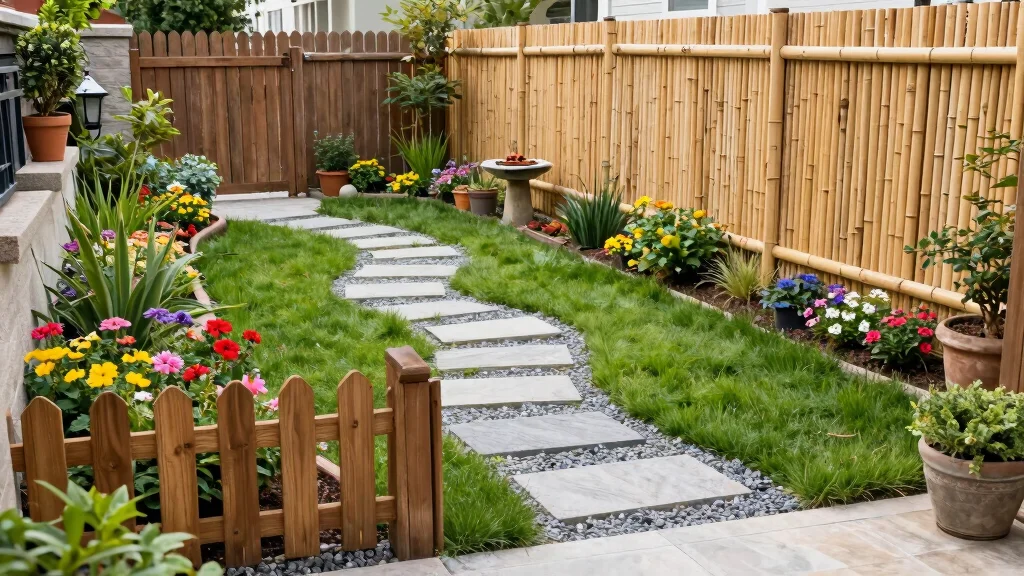
Creating a beautiful outdoor space can sometimes feel overwhelming, especially when it comes to defining borders. If you’ve ever stared at your yard and thought it needed a little something to make it pop, you’re not alone! That’s why I compiled this guide on 16 Fence Edging Ideas for Neat Polished Borders. Each idea offers a way to enhance your garden and yard while keeping an eye on eco-friendliness. Whether you’re looking to boost your home decor with landscaping ideas or simply want to add a polished touch to your outdoor decor, you’ve come to the right place.
If you enjoy spending time outdoors but struggle with how to create the perfect garden borders, this post is crafted just for you. Homeowners and garden enthusiasts alike can benefit from these simple yet effective fence edging ideas. They are ideal for anyone who wants to improve their yard without overwhelming their budget or time. From upcycled materials to living plant borders, there’s something here for every taste and preference.
In this post, you will discover 16 creative ways to achieve neat, polished borders that will elevate your outdoor space. Many of these ideas not only enhance aesthetics but also promote sustainability. You’ll find a variety of styles to suit your unique vision, making it easy to transform your yard into a welcoming retreat. Let’s get started on turning your fence edging dreams into reality!
Key Takeaways
– Explore a range of eco-friendly materials like recycled wood pallets and upcycled wine bottles to inspire your fencing projects.
– Discover how living plant borders can add life and color to your garden while providing a natural look.
– Learn about decorative fencing options, such as bamboo or metal edging, that combine style with functionality.
– Get practical tips on mixing different materials, like gravel and wood, to create unique and personalized borders.
– Understand how implementing these yard improvement ideas can enhance your outdoor decor and overall home appeal.
1. Recycled Wood Pallets
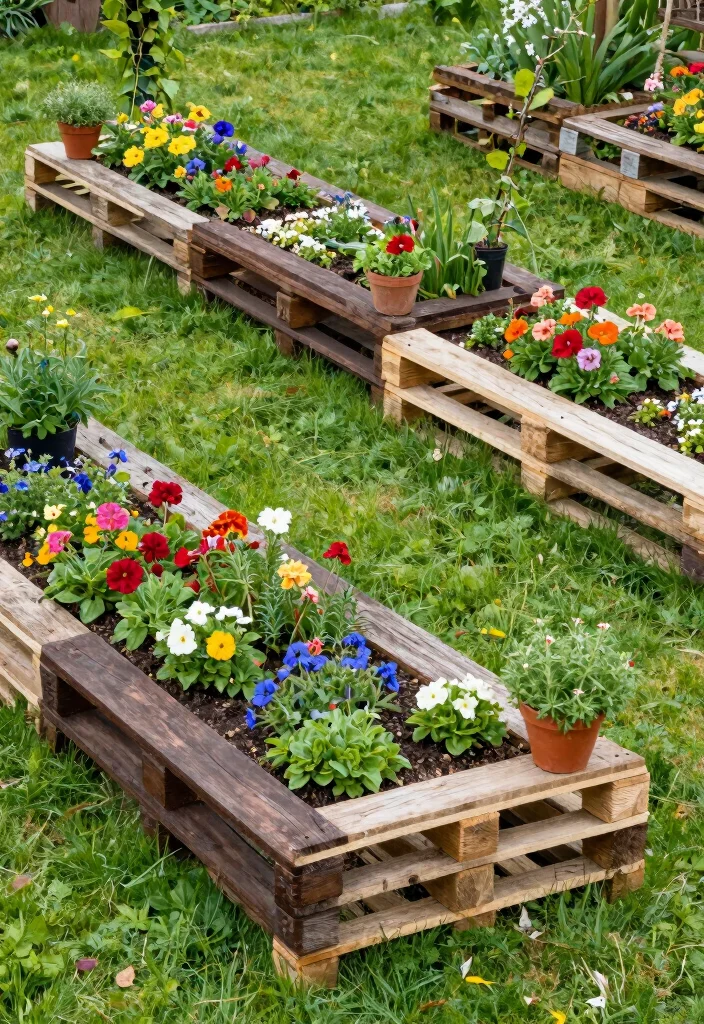
Recycled wood pallets serve as a charming and eco-friendly option for fence edging, adding a rustic touch to your outdoor space. Their unique textures and varied colors effortlessly create visual interest, transforming ordinary borders into captivating features. You can arrange them in different patterns—stacked high for a bold statement or laid flat for a more subtle look. A warm stain or a fresh coat of paint can personalize the pallets, making them blend beautifully with your garden’s aesthetic.
To maximize the charm of recycled pallets, consider using untreated wood to avoid harmful chemicals affecting your soil. Look for pallets at local warehouses or online marketplaces for budget-friendly options. This trend harmonizes with the growing movement towards sustainability and can enhance your garden’s coziness.
Tips:
– Pair pallets with vibrant flowers for a lively contrast.
– Install them in staggered rows for added dimension.
– Consider using small stones at the base for extra stability.
This delightful approach offers a unique aesthetic while the natural wood enhances the overall warmth of your garden design.

EASYFLEX DECORATIVE NO-DIG LANDSCAPE EDGING: Get a beautifully landscaped yard without all the work of a dig-in lawn edging; simple installation without trenches or shovels

Natural Wooden Garden Border Design: This wooden garden border features a unique burnt wood finish that adds rustic charm and warmth to your outdoor space. Perfect as decorative garden fence edging for flower beds, walkways, and landscaping accents.
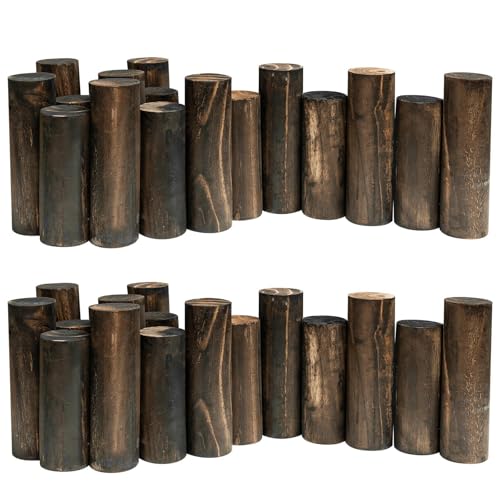
Great Value: These nice edging for landscaping are made from whole logs, while most others are assembled from planks or halved wood. It can be used for a longer time without the need for annual replacement.
2. Stone and Gravel Borders
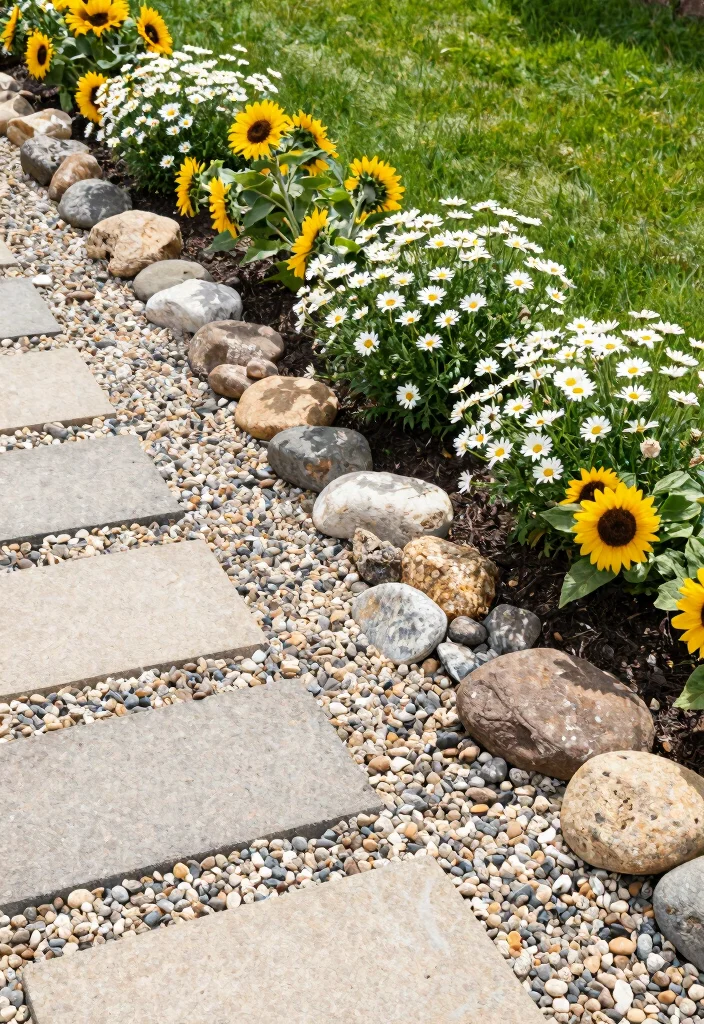
Stone and gravel borders provide a timeless elegance that complements any garden setting. Their durability and low maintenance make them an ideal choice for homeowners looking to enhance their outdoor spaces. With a range of stone colors and sizes, you can customize the look to suit your landscape’s character beautifully. Larger stones can be used strategically as focal points, while smaller gravel fills in the gaps to create a visually appealing texture.
Implementing this type of edging can be as simple as using natural stones that blend with your surroundings or selecting vibrant hues to make a statement. Sourcing stones from local quarries or garden centers can be budget-friendly and environmentally conscious. This edging solution not only looks great but also promotes effective drainage, contributing to a healthier garden.
Suggestions:
– Use natural stones for a seamless integration with nature.
– Incorporate stepping stones for functionality and charm.
– Regularly rake the gravel to keep it tidy and organized.
The overall aesthetic is enhanced by the natural beauty of the stones, providing both structure and style to your landscaping.

Upcycled Cobalt Blue Wine Bottle

ECO-FRIENDLY UPCYCLED ART: Each piece is handcrafted from 100% reclaimed/recycled iron — diverting scrap metal from landfills and transforming it into art. Sustainable by design.
3. Bamboo Fence Edging
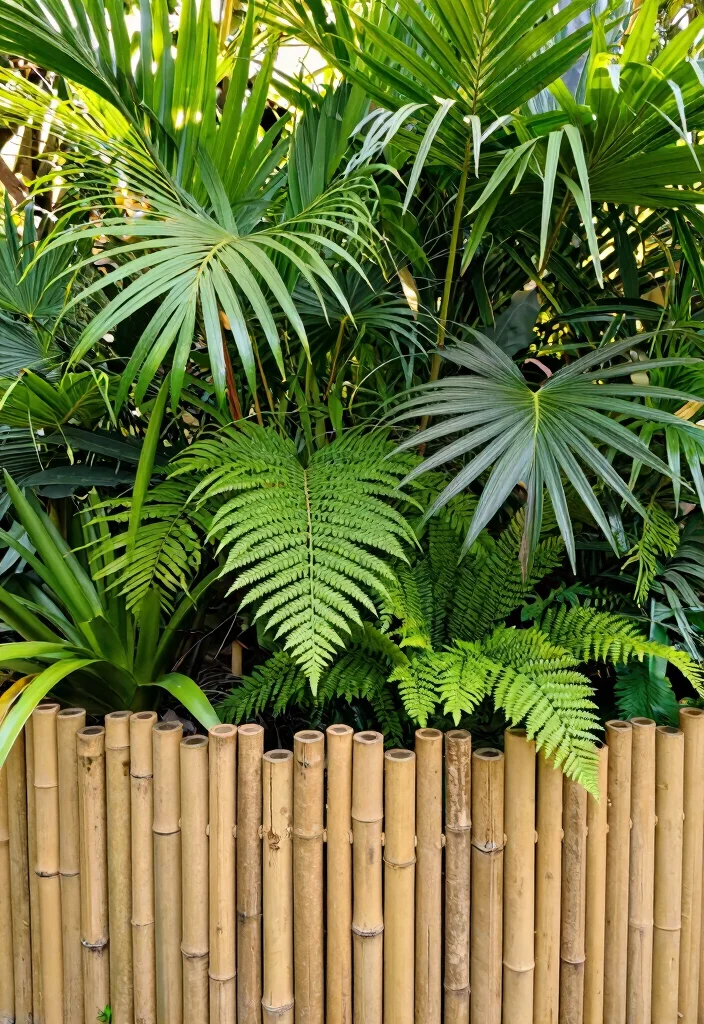
Bamboo fence edging introduces a natural and exotic flair to your garden, making it an appealing choice for eco-conscious homeowners. This sustainable material not only offers a tidy boundary but also showcases the beauty of nature. Bamboo is lightweight yet robust, providing a long-lasting solution that withstands varying weather conditions. You can opt for vertical installation for a contemporary design or a woven pattern for a more traditional ambiance.
To create a polished look, space bamboo stakes evenly and consider enhancing their appearance with a matching stain that complements your outdoor decor. Pairing bamboo with tropical plants can create a harmonious theme that brings the essence of a lush paradise to your yard. This approach aligns beautifully with current trends in sustainable landscaping.
Tips:
– Use evenly spaced bamboo poles for a sleek outline.
– Stain the bamboo to match outdoor furniture for a cohesive look.
– Combine with vibrant plants for a lively garden environment.
This natural material not only enhances the aesthetic appeal but also promotes a sense of tranquility in your outdoor oasis.
Fun fact: bamboo fence edging is incredibly fast to renew—some bamboo varieties can grow up to 91 cm (3 ft) in a single day. That rapid growth supports eco-friendly fence edging ideas and sustainable landscaping. Choose vertical or woven patterns to fit your space.
EASYFLEX DECORATIVE NO-DIG LANDSCAPE EDGING: Get a beautifully landscaped yard without all the work of a dig-in lawn edging; simple installation without trenches or shovels

SHIPMENT CONTAINS: One 5 inch x 40 foot brown flexible landscape edging coil with 10 matching stakes for securing garden borders

🌻Garden Borders Kit🌻: Each piece approx dimension is 9.84x8.4 in/25*21.3cm, total length 7ft/2.13m(total 10 Pcs). You can DIY the pathway or flower beds with plastic garden fence as you need and like
4. Upcycled Wine Bottles
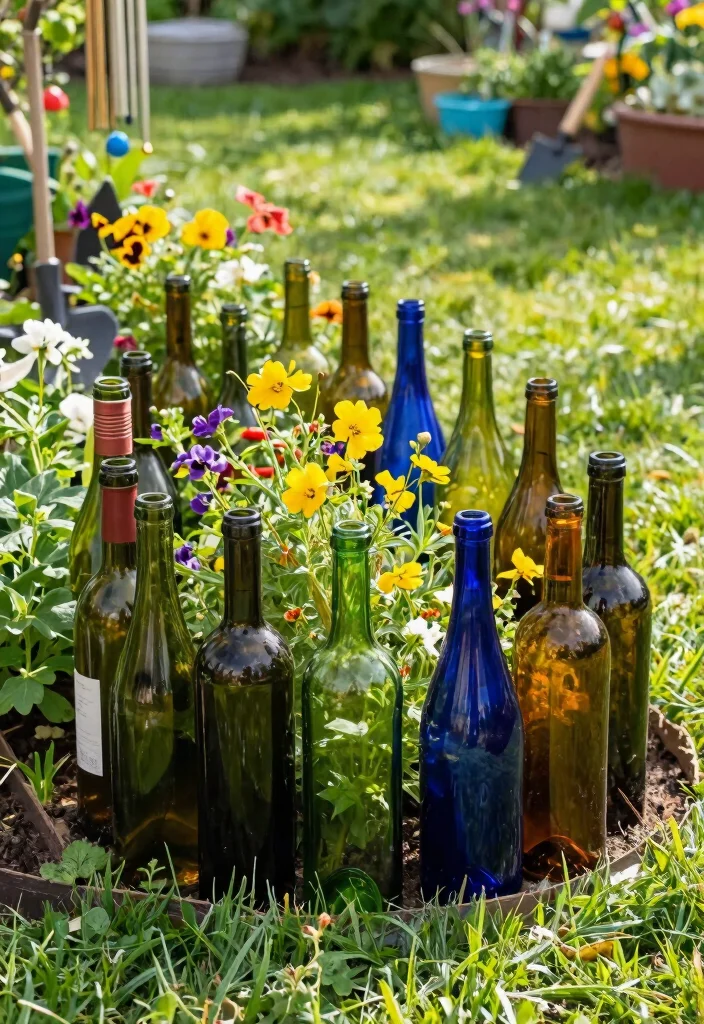
Upcycled wine bottles offer a quirky and vibrant option for fence edging, adding a playful touch to your garden. By simply burying the bottles neck-down along your garden’s perimeter, you can create a colorful and whimsical border that stands out beautifully. This sustainable choice not only reduces waste but also infuses your outdoor space with character and charm. The sunlight shines through the glass, casting delightful reflections and making your garden a delightful visual experience.
To enhance this unique look, consider using a mix of bottle sizes and colors for a festive flair. Secure the bottles with stones to prevent any tipping over, ensuring they remain a stable feature of your landscaping. Pairing them with wildflowers or ornamental grasses can amplify the bohemian vibe and create a natural habitat for pollinators.
Suggestions:
– Mix various colored bottles for a cheerful appearance.
– Secure with stones to keep them stable.
– Combine with wildflowers for a fun, natural style.
This creative approach not only beautifies your yard but also tells a story of sustainability and personal expression.
Fun fact: burying 8-12 wine bottles neck-down along your fence creates a colorful border that glows in the sun. It’s a wallet-friendly, eco-friendly fence edging ideas hack you can DIY this weekend—turning waste into whimsy and practical garden lighting.

QUALITY : Jollybower natural bamboo edging border are made of premium bamboo, sturdy and durable. All bamboo garden border edging are been dried before, not easy to mold. An affordable way to add a natural look to any landscaping project.
QUALITY : Jollybower natural bamboo edging border are made of premium bamboo, sturdy and durable. All bamboo garden border edging are been dried before, not easy to mold. An affordable way to add a natural look to any landscaping project.

Perfect Size: Fence measures 39.37 inches in length with adjustable height options—5.9 inches and 7.87 inches—ideal for various garden and lawn uses
5. Living Plant Borders
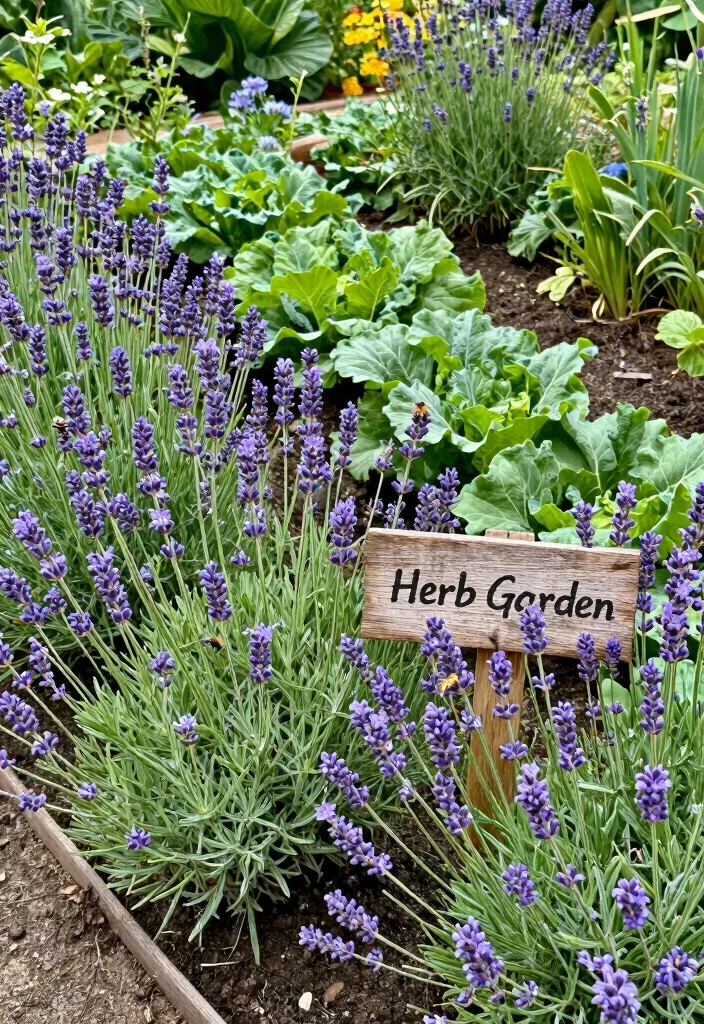
Living plant borders are a stunning and eco-friendly way to define your garden space while supporting local biodiversity. This approach not only enhances the visual appeal of your yard but also encourages a thriving ecosystem. Choose low-growing plants like lavender, herbs, or succulents that flourish in your climate for a lush and inviting edge. These natural borders provide habitats for beneficial insects while creating a soft, inviting frame around your garden.
To maintain this vibrant edge, select native plants that thrive naturally in your area, ensuring they require minimal upkeep. Regular pruning will keep your borders neat, and mixing various textures and colors will create a dynamic and engaging visual experience. This trend reflects a deeper commitment to sustainability in landscaping.
Tips:
– Opt for native plants to attract local wildlife.
– Prune regularly for a tidy and maintained look.
– Combine different colors and shapes for added interest.
This living edge not only enhances the beauty of your garden but also fosters a connection with nature, making your outdoor space feel alive and flourishing.

𝐅𝐥𝐞𝐱𝐢𝐛𝐥𝐞 & 𝐄𝐚𝐬𝐲 𝐭𝐨 𝐈𝐧𝐬𝐭𝐚𝐥𝐥: Each panel measures 40" (L) × 5" (H), including 3" underground stakes for strong anchoring, leaving 2" visible above ground for a clean, low-profile border. The hammer-in design makes installation fast and effortless—perfect for creating neat, professional-looking edges without digging.

【HEAVY-DUTY GALVANIZED STEEL】Say goodbye to flimsy aluminum. LAVEVE Garden Edging is built with a reinforced, thickened galvanized steel core, offering superior strength and durability while remaining flexible for custom-shaped borders.

【Rustproof Metal – Weather-Resistant for All Seasons】 Made from rust resistant galvanized steel with a durable black coating, this corrugated metal landscape edging stands up to rain, sun, snow, and extreme temperatures. Perfect for long-term outdoor landscaping in any climate.
6. Recycled Tires
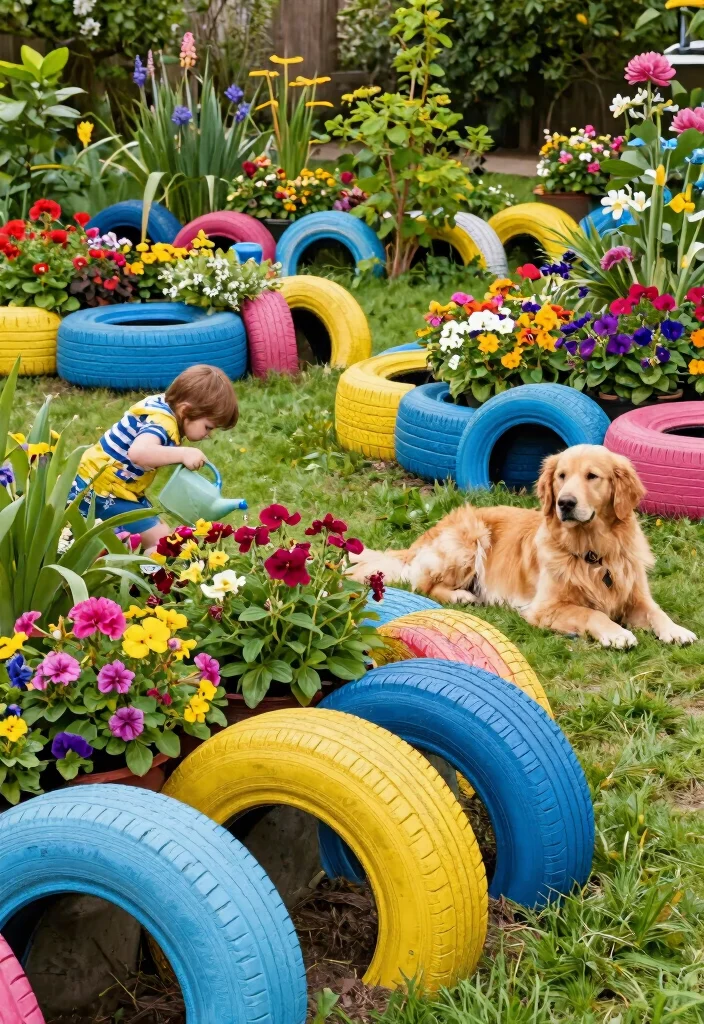
Transforming recycled tires into fence edging is a playful and imaginative way to enhance your outdoor space. This eco-friendly option is particularly appealing for family gardens, where creativity and fun come together. Cut tires in half and bury them partially in the soil, or paint them in bright, cheerful colors to create a whimsical border. Their durability ensures they withstand the elements, and they can even double as planters for colorful flowers or herbs.
To get the most out of this unique edging, consider stacking tires for vertical gardening or choosing natural rubber for a more organic look. Brightly colored tires can act as fun focal points in your garden, making it lively and inviting. This approach aligns with the growing trend of repurposing materials to create functional art in landscaping.
Suggestions:
– Create a tiered tire planter for added visual interest.
– Use natural-colored tires for a more understated look.
– Fill cut tires with soil or plants to soften sharp edges.
This innovative use of tires not only adds a creative touch but also emphasizes sustainability and resourcefulness in your garden design.

Natural Wooden Garden Border Design: This wooden garden border features a unique burnt wood finish that adds rustic charm and warmth to your outdoor space. Perfect as decorative garden fence edging for flower beds, walkways, and landscaping accents.
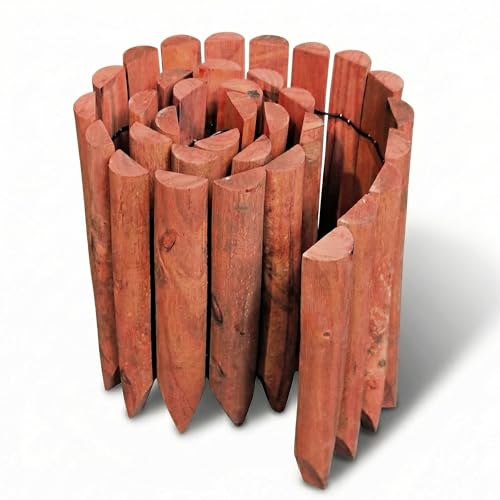
Decorative Brick Red Finish for Rustic Charm: This short wood fence features a warm brick red finish that adds natural beauty and a decorative touch to any outdoor space. Ideal as a wood garden fence for flower beds, pathways, and yard accents.

Weather Resistant Materials: Our wooden garden fence is made of high-quality pine wood, which has been carbonized at high temperature, and has strong weather resistance and corrosion resistance, that ensure that can withstand various outdoor conditions. (Due to different batches of wood, the color depth of the fence may vary)
7. Decorative Stone Edging
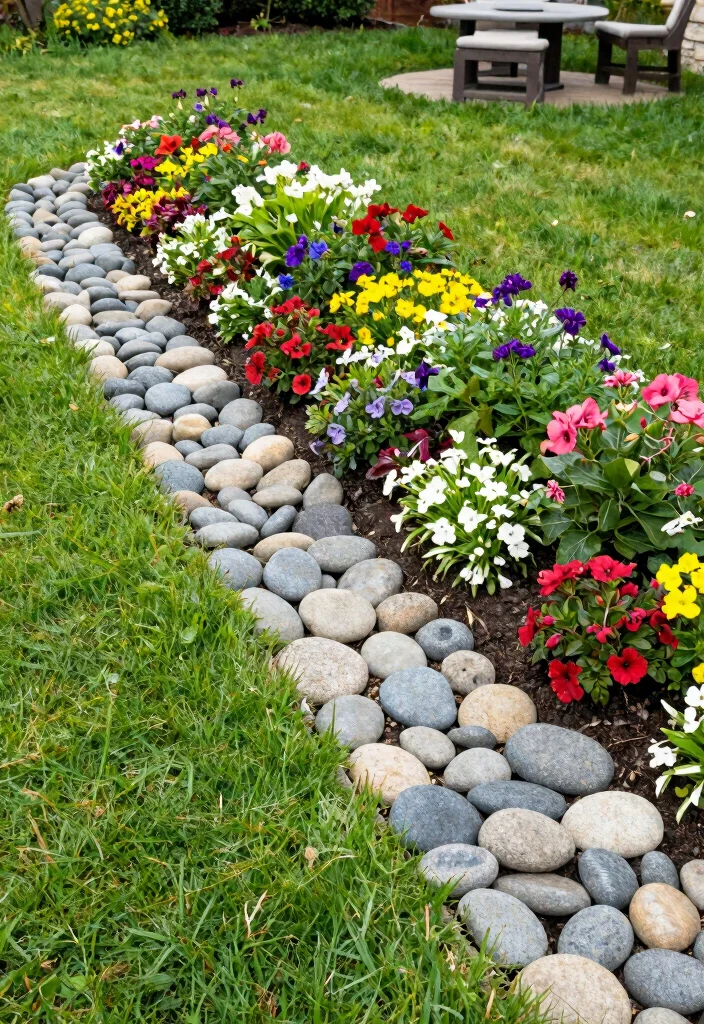
Decorative stone edging elevates your garden’s style with a polished and sophisticated touch. Whether you choose smooth river stones or larger boulders, this type of edging creates a refined border that enhances your landscaping’s overall aesthetic. You can arrange the stones in various formations, allowing for personal expression in your outdoor design. This eco-friendly option not only looks stunning but also aids in proper drainage, preventing soil erosion and promoting garden health.
To achieve an eye-catching design, consider mixing different sizes and colors of stones for added visual intrigue. Creating a small pathway with decorative stones can also add functional beauty to your garden. Regular maintenance, like clearing debris, will help keep your edges looking sharp and clean.
Tips:
– Mix stone sizes for a dynamic look.
– Create pathways with decorative stones for added utility.
– Maintain a clean edge by regularly removing debris.
This elegant approach not only brings structure to your garden but also highlights the natural beauty of the stones, enhancing the overall harmony of your outdoor space.
8. Edible Borders
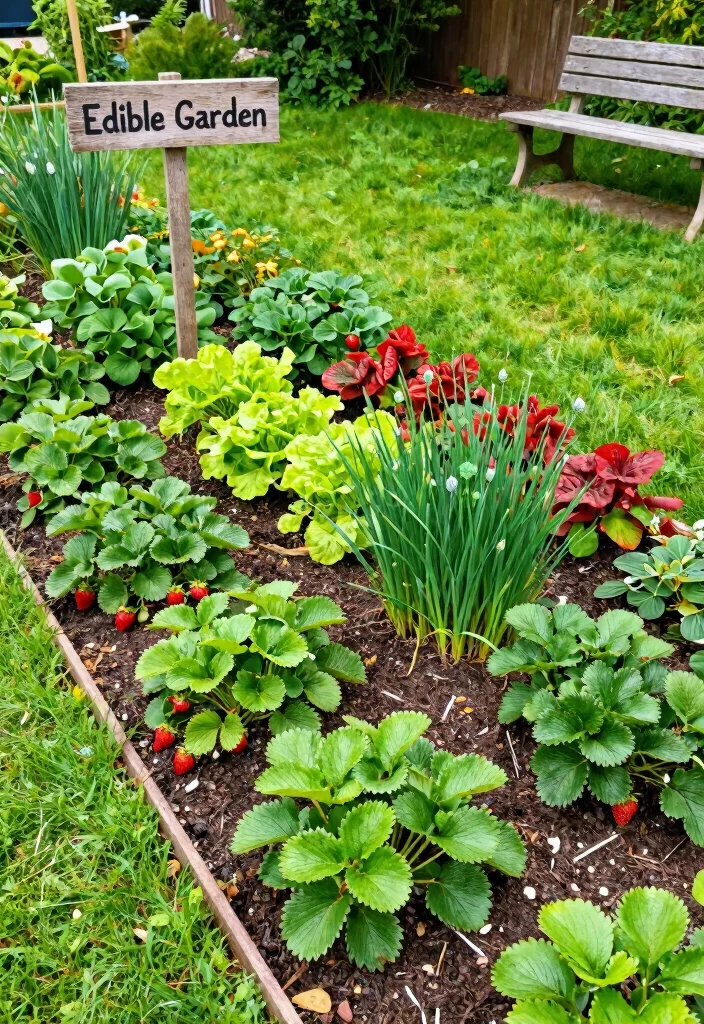
Why not combine beauty and functionality by creating edible borders in your garden? Plants like strawberries, chives, or ornamental kale can define your space while providing delicious produce. This trend emphasizes the joy of growing your own food, adding both aesthetic value and practicality to your landscaping. By selecting colorful herbs or vibrant vegetables, you can create a beautiful and productive edge that contributes to your outdoor enjoyment.
To ensure your edible borders thrive, choose plants that complement each other in growth patterns and colors. Regular maintenance will keep your plants healthy and productive, and consider incorporating a trellis for climbing vegetables if space allows. This approach aligns with the growing interest in sustainable gardening practices and healthy eating.
Suggestions:
– Opt for plants with complementary growth habits and colors.
– Maintain your plants regularly for optimum yield.
– Incorporate trellises for vertical growing options.
This innovative combination of beauty and utility not only enhances your garden’s aesthetic but also supports a healthier lifestyle through homegrown produce.
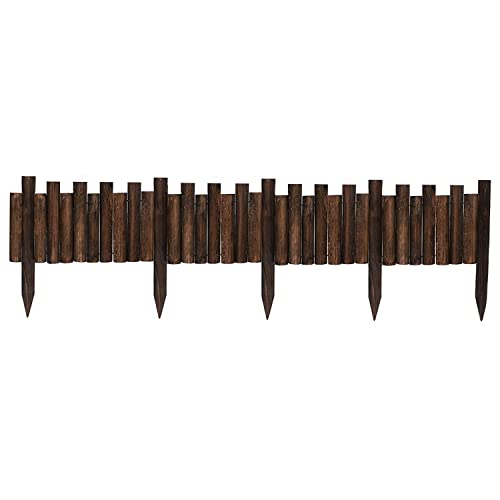
About the Edging: 8 inch height above ground, stakes Height 4 inch, 3.6 Feet total Length; Made from sturdy wood with a carbonized finish, this short fence is durable and long-lasting, standing up to outdoor elements.
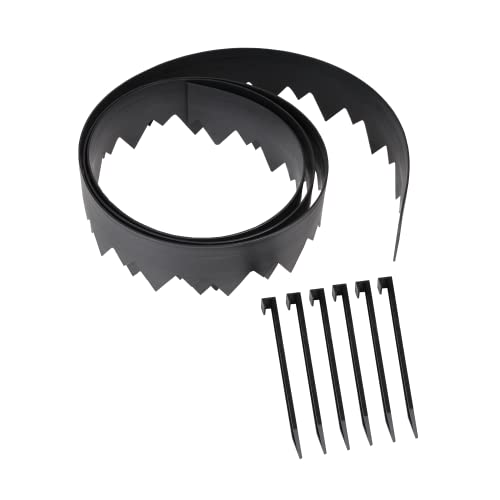
Pound‑In Lawn Edging – Create clean, defined garden borders without hiring a professional; installs with minimal ground preparation.
How To Choose Eco-Friendly Fence Edging Ideas
When selecting an eco-friendly fence edging idea for your yard, it’s essential to consider practical factors that will enhance your outdoor decor and landscaping. Here are some key criteria to keep in mind:
1. Material Sustainability
Choose materials that are sustainably sourced or recycled. Options like reclaimed wood, bamboo, and upcycled tires not only reduce waste but also add character to your garden borders. Look for certifications that ensure the materials are eco-friendly. This contributes to a healthier environment while maintaining a polished look.
2. Durability
Consider how long your chosen edging will last. Durable materials like stone, metal, or concrete can withstand harsh weather conditions and require less maintenance. This approach saves you time and resources in the long run, making it a smart investment for yard improvement.
3. Aesthetic Appeal
Your fence edging should complement the style of your home and garden. Think about colors, textures, and shapes that will enhance your outdoor space. For instance, colorful brick edging can add a pop of color to a traditional garden, while metal edging offers a sleek, modern look. Visualizing the final design can help you make a confident choice.
4. Installation Requirements
Different materials have various installation needs. Some options may require professional help, while others might be DIY-friendly. For example, log edging is relatively easy to install, while concrete borders may involve more effort and tools. Assess your skill level and the time you can dedicate to installation when choosing your edging.
5. Budget
Set a budget before you start shopping for fence edging ideas. Prices can vary widely depending on the material and design. Recycled products or DIY projects often offer more affordable alternatives. Knowing your budget helps you focus on the best options that meet your needs without overspending.
6. Maintenance
Consider how much maintenance you are willing to commit to. Some materials, like living plant borders, may require regular care, while others, like decorative stone edging, can be low-maintenance. Understanding your lifestyle and preferences will help you choose an edging solution that fits seamlessly into your routine.
Pro Tip: Before making a final decision, visit local gardens or parks to see different edging styles in person. This can spark inspiration and help you visualize how your choice will look in your own yard. Don’t hesitate to combine materials for a unique touch that reflects your style!
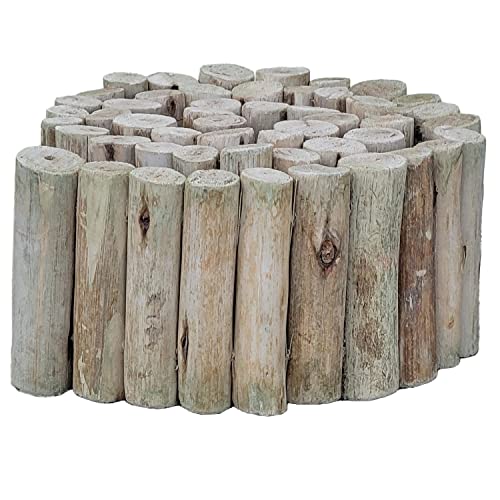
DECORATIVE GARDEN BORDERS: Create a beautiful floral display in your garden and enhance your landscape curb appeal with Eucalyptus wood flower bed borders

Natural Bamboo Edging: Crafted from real bamboo, this fence adds rustic elegance to flower beds, pathways, or lawns. Due to workmanship issues, some bamboo may have slight cracks, but it will not affect its use

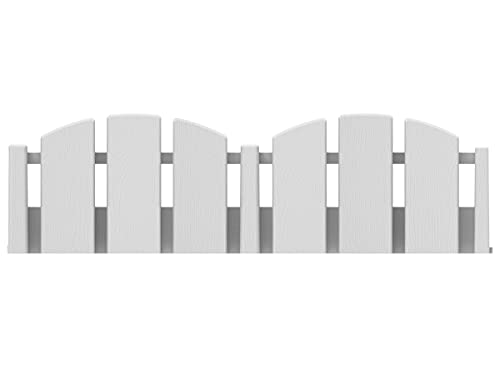
Rustproof & Durable: Make your outdoor space a charming oasis with our garden fencing. The garden border fence features an arched design and is coated with black rust-resistant material to ensure durability and making it able to withstand outdoor conditions such as exposure to sun and wind
9. Hedge Borders
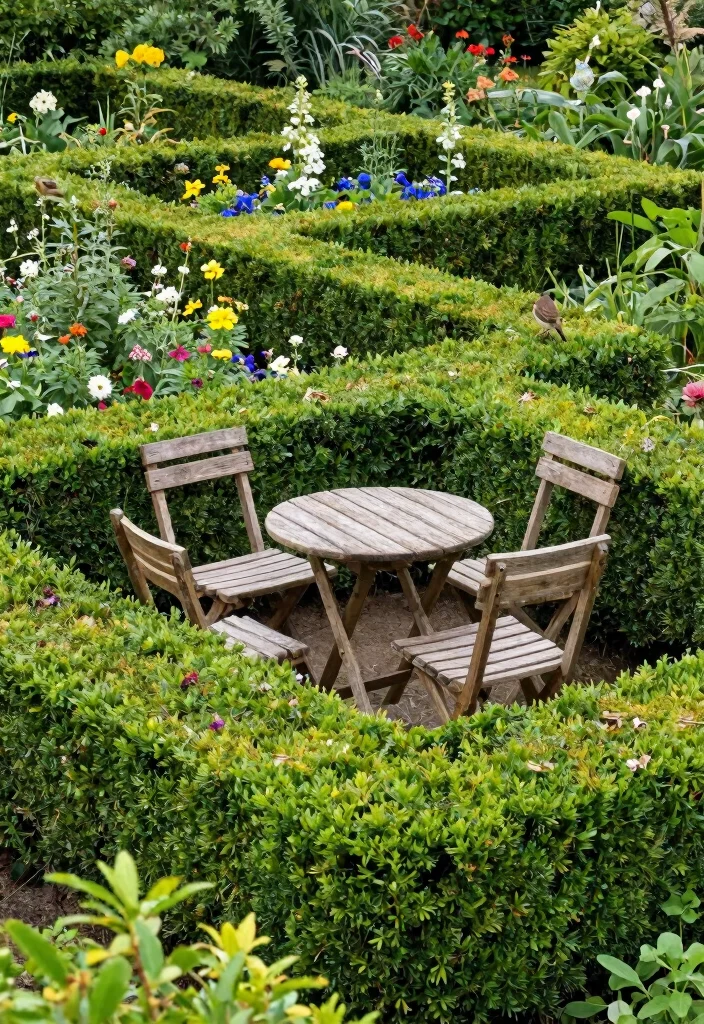
Hedge borders add a classic and timeless touch to your landscaping while offering privacy and shelter. Using plants like boxwood or privet, you can cultivate a lush green barrier that enhances the charm and intimacy of your outdoor space. Hedges also provide sound insulation and reduce wind exposure, creating a more comfortable environment. With regular trimming, you can maintain a neat appearance while enjoying the natural beauty they bring.
To select the perfect hedges, choose hardy varieties suited to your climate, ensuring they thrive for years to come. Planning for regular maintenance will help you achieve the desired height and shape, and consider incorporating flowering varieties for added visual interest. This approach promotes biodiversity by attracting birds and beneficial insects to your garden.
Tips:
– Choose resilient types that flourish in your region.
– Plan regular trimming for a polished look.
– Plant flowering hedges for additional color and texture.
This classic choice not only enhances your garden’s aesthetic but also creates a serene atmosphere, enriching your outdoor experience.

DURABLE METAL CONSTRUCTION: Made from high-quality metal, this garden edging can withstand all kinds of weather conditions, ensuring long-term durability and reliability.【Please note: the Rusty version is treated with a real rusting process — it is not a printed pattern】

Durable Steel Landscape Edging – Made of heavy-duty galvanized steel with rustproof black finish, this metal landscape edging is built to last through rain, snow, and sun while keeping your garden borders strong and stylish.

【HEAVY-DUTY GALVANIZED STEEL】Say goodbye to flimsy aluminum. LAVEVE Garden Edging is built with a reinforced, thickened galvanized steel core, offering superior strength and durability while remaining flexible for custom-shaped borders.
10. Metal Edging
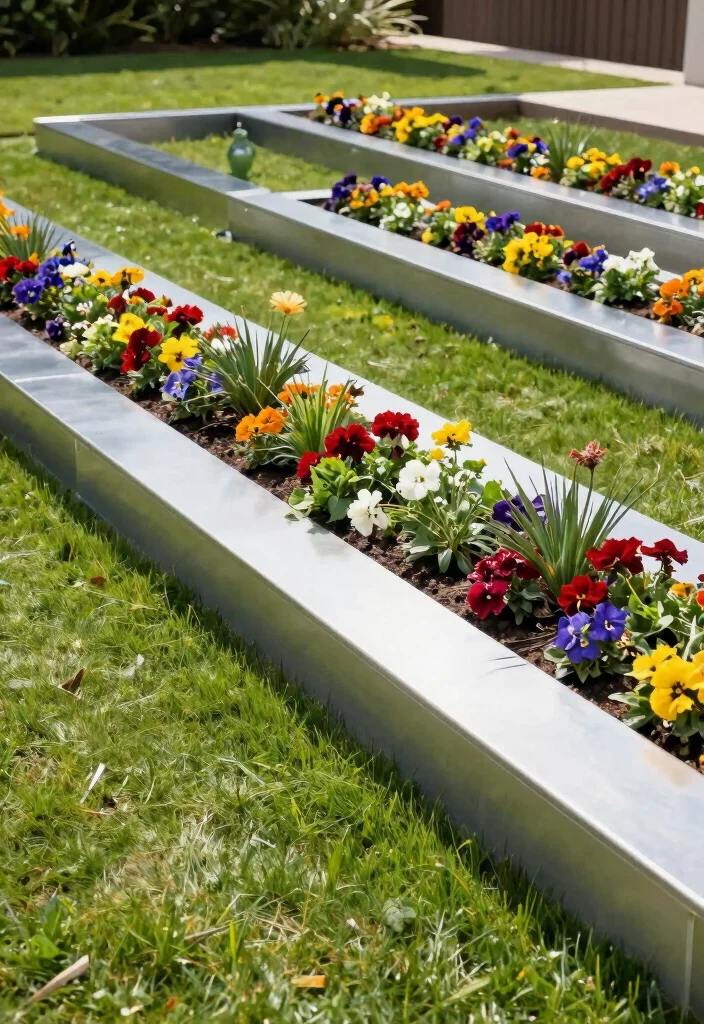
Metal edging introduces a sleek and modern element to your landscaping. Materials such as aluminum or steel create crisp lines and a clean finish, making them perfect for contemporary gardens. This durable option is resistant to rust, offering practicality while enhancing the overall look of your outdoor design. Metal edging effectively defines garden beds and pathways, preventing unwanted grass and weeds from encroaching upon your carefully curated spaces.
To create a unique design, consider using corten steel for a rustic appearance that harmonizes with nature. Combining metal with gravel or stone can create striking contrasts, elevating your garden’s aesthetic. Experimenting with different shapes and heights allows for personal expression in your landscaping.
Suggestions:
– Use corten steel for a natural, weathered look.
– Pair with gravel for a stunning visual contrast.
– Play with shapes and heights for creative designs.
This modern approach not only enhances your garden’s structure but also adds a sophisticated touch that will impress guests and visitors alike.
11. Log Edging
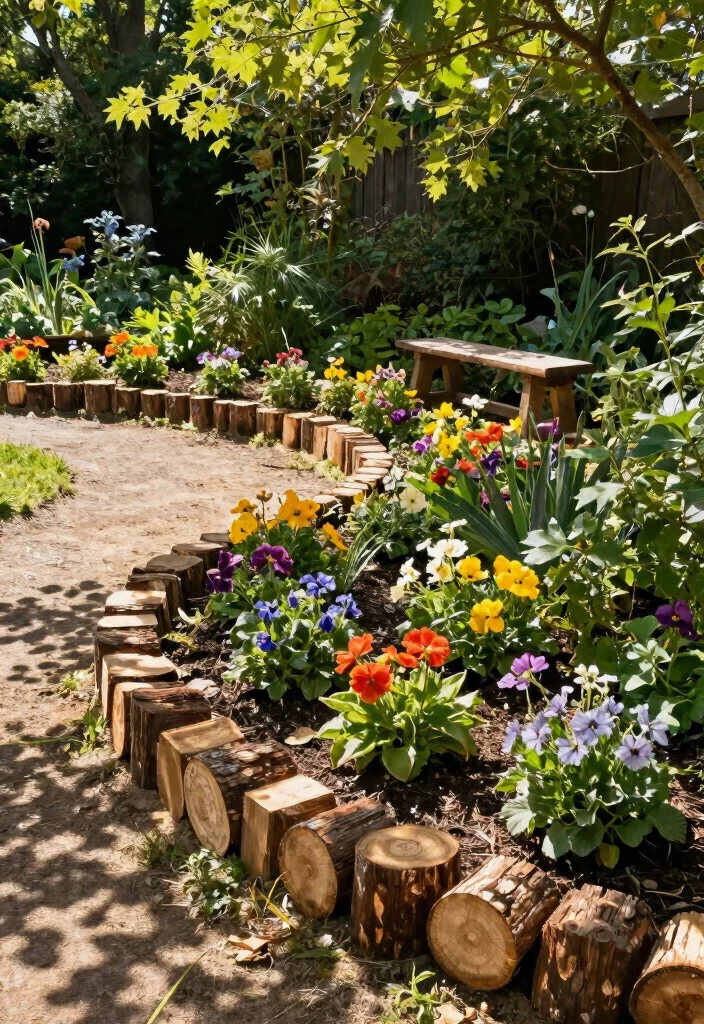
Log edging provides a rustic and organic feel to your outdoor space, making it a charming choice for natural landscaping. By utilizing cut logs or tree trunks, you can create a boundary that blends seamlessly with the environment. This material complements its surroundings beautifully, offering a woodland vibe that invites nature into your garden. Log edging is versatile; arrange logs in a straight line for a classic look or create curves for a more whimsical touch.
To ensure longevity, use untreated logs to avoid chemical leaching into the soil, and regularly maintain them to prevent decay. Painting or staining the logs can also add a personal touch, allowing you to further customize your garden design. This approach promotes biodiversity, as logs can provide habitats for small wildlife and beneficial insects.
Tips:
– Choose untreated logs for safety and environmental health.
– Regularly check logs for signs of decay.
– Stain or paint for added character and personalization.
This natural option not only enhances your garden’s aesthetic but also fosters a deeper connection with the surrounding environment.
12. Concrete Borders
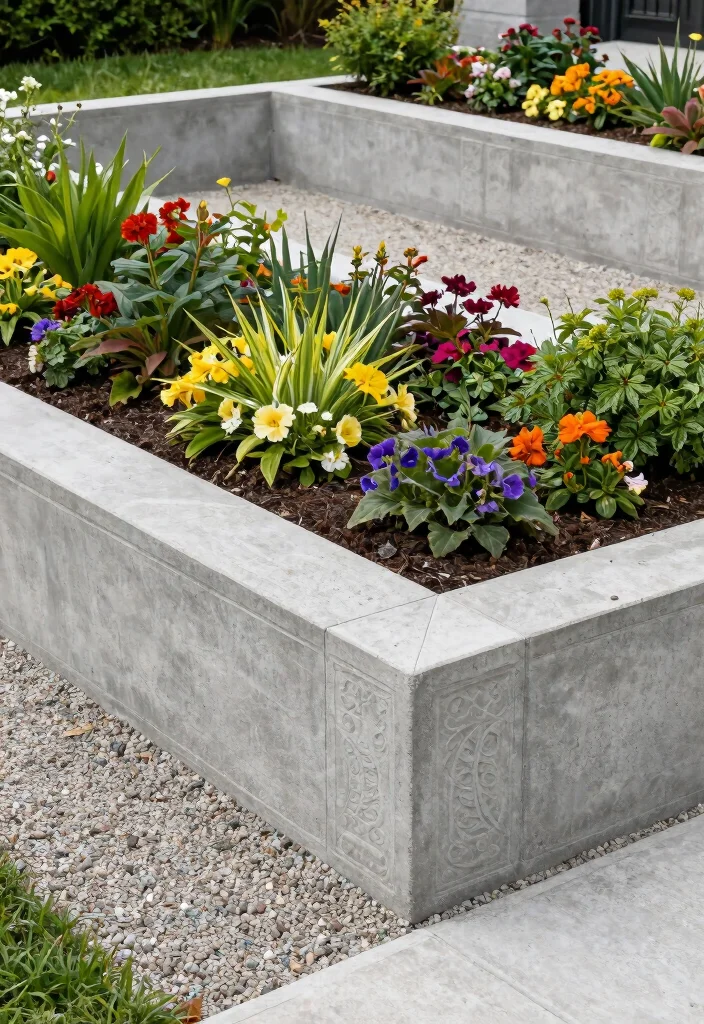
Concrete borders offer a modern and durable solution for fence edging, perfect for contemporary gardens. This versatile material can be molded into various shapes, allowing for unique designs that fit seamlessly into your landscape. Decorative techniques like painting or stamping can elevate the visual appeal, making concrete not just practical but also stylish. This option effectively keeps soil in place and prevents grass from invading your garden beds, ensuring a clean and organized look.
For artistic flair, consider adding decorative staining or stamping to your concrete borders. Using concrete blocks can also create raised garden beds, adding height and dimension to your outdoor design. Pairing concrete with gravel or stone can enhance texture and create a dynamic visual experience.
Suggestions:
– Use decorative staining for a personal touch.
– Implement concrete blocks for raised garden designs.
– Combine with gravel for added texture and contrast.
This sturdy option not only enhances your garden’s aesthetic but also provides a lasting solution that withstands the test of time.
13. Fabric Edging
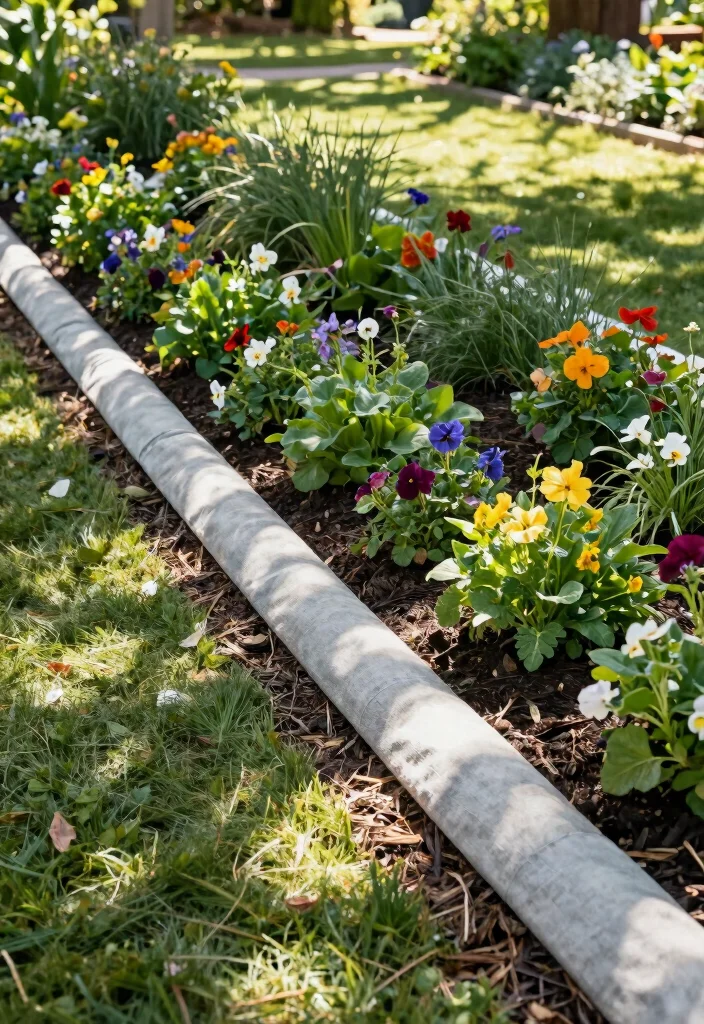
Fabric edging presents an innovative and sustainable approach to garden borders, allowing for clean and defined spaces. Using biodegradable landscaping fabric, you can create boundaries that effectively prevent weeds while allowing moisture to penetrate. This method is especially useful for forming soft edges around garden beds or pathways, contributing to a neat appearance. You can cover the fabric with mulch or decorative stones to enhance its look while improving soil moisture retention.
To ensure effectiveness, choose eco-friendly, outdoor-grade fabric that stands up to the elements. Using natural mulch on top can enhance the appearance and promote healthy soil conditions. Regularly checking the fabric for wear and replacing it as needed will ensure its continued functionality.
Tips:
– Select eco-friendly fabric designed for outdoor use.
– Apply natural mulch for aesthetic and functional benefits.
– Monitor for wear and replace as necessary.
This sustainable choice not only beautifies your garden but also simplifies maintenance, allowing you to enjoy your outdoor space with ease.
14. Gravel and Wood Mix
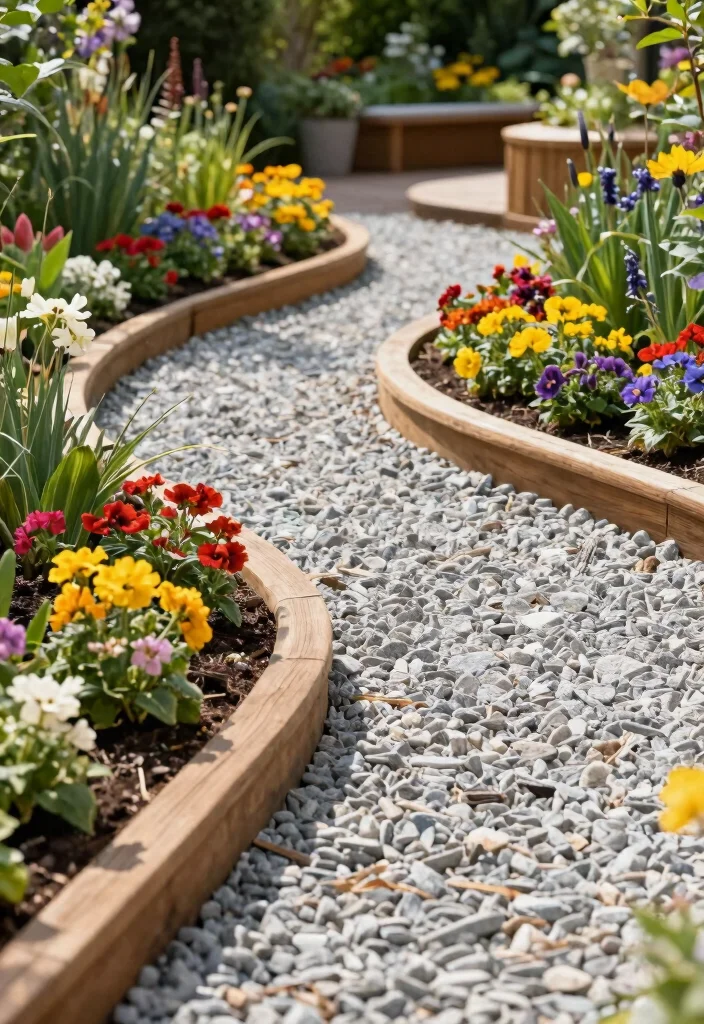
Combining gravel and wood for edging creates a rustic yet chic border for your garden, blending natural materials beautifully. Wooden borders filled with gravel provide an appealing contrast while also enhancing drainage, making this choice both visually striking and practical. The wood can be cut to various heights, adding layers and dimension to your landscaping. This combination creates a grounded, inviting outdoor space that feels warm and welcoming.
Choose weather-resistant wood types like cedar or redwood to ensure longevity, and experiment with different gravel colors to customize your look. Regularly checking for gravel displacement will help maintain the neatness of your garden edges, ensuring they remain pristine.
Suggestions:
– Opt for durable wood varieties for lasting beauty.
– Experiment with gravel colors for a unique touch.
– Replenish gravel as needed to keep the border tidy.
This beautiful blend of materials enhances your garden’s character, making it a charming retreat for relaxation and enjoyment.
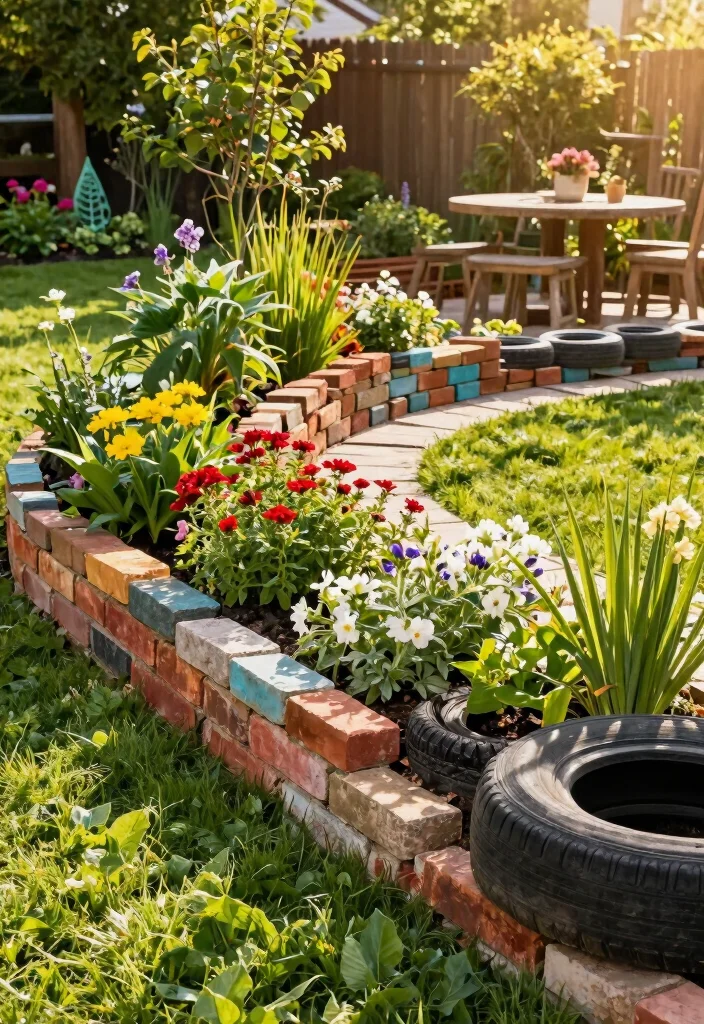
15. Colorful Brick Edging
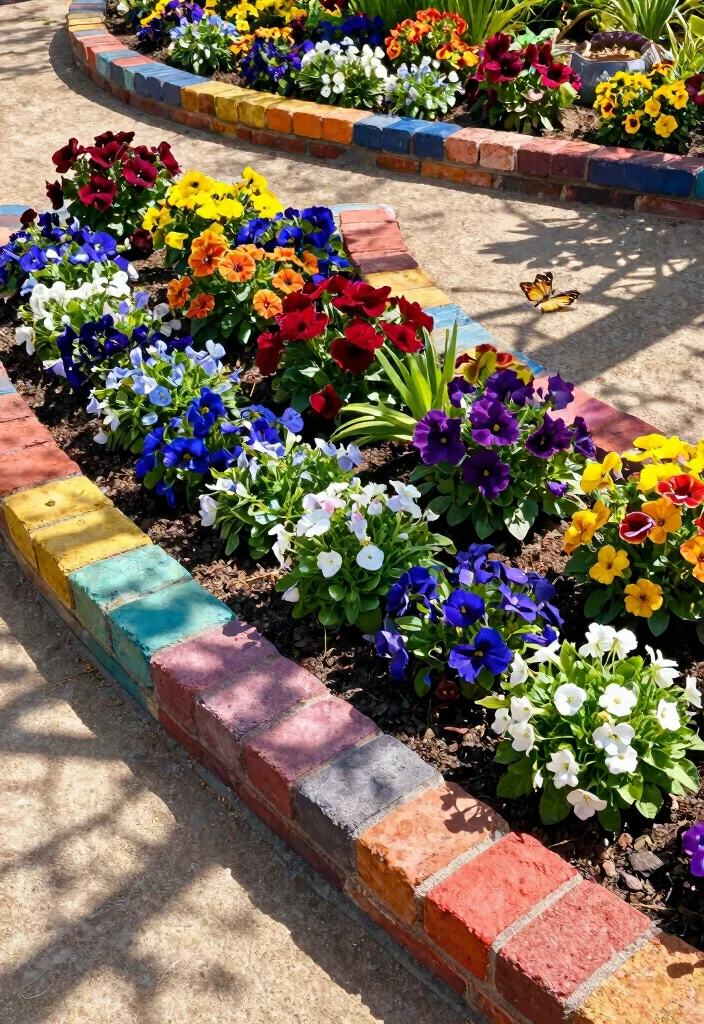
Colorful brick edging is a classic and bold way to define your garden space, adding vibrancy and structure. Using bricks in various colors allows for creative patterns that elevate your landscaping ideas and provide a strong visual statement. This durable option withstands weather elements while adding an artistic touch to your yard. Bricks can be arranged in straight lines, curves, or even stacked for a multi-dimensional look, helping to retain soil and prevent erosion.
For a unique design, combine different colored bricks for a playful effect, or choose mortar for a permanent solution. Laying bricks loosely allows for flexibility, letting you adapt your design as needed. Regular cleaning will keep the bricks looking fresh and appealing.
Tips:
– Mix colors for a fun and dynamic appearance.
– Use mortar for a permanent solution.
– Clean regularly to maintain their vibrant look.
This colorful approach not only enhances your garden’s aesthetic but also creates a lively atmosphere that invites exploration and enjoyment.
Colorful brick edging makes fence edging ideas feel achievable and bold. Mix vibrant bricks to craft patterns that brighten borders, define zones, and prevent erosion—practical, stylish, and ready to DIY this weekend.
16. Succulent Borders
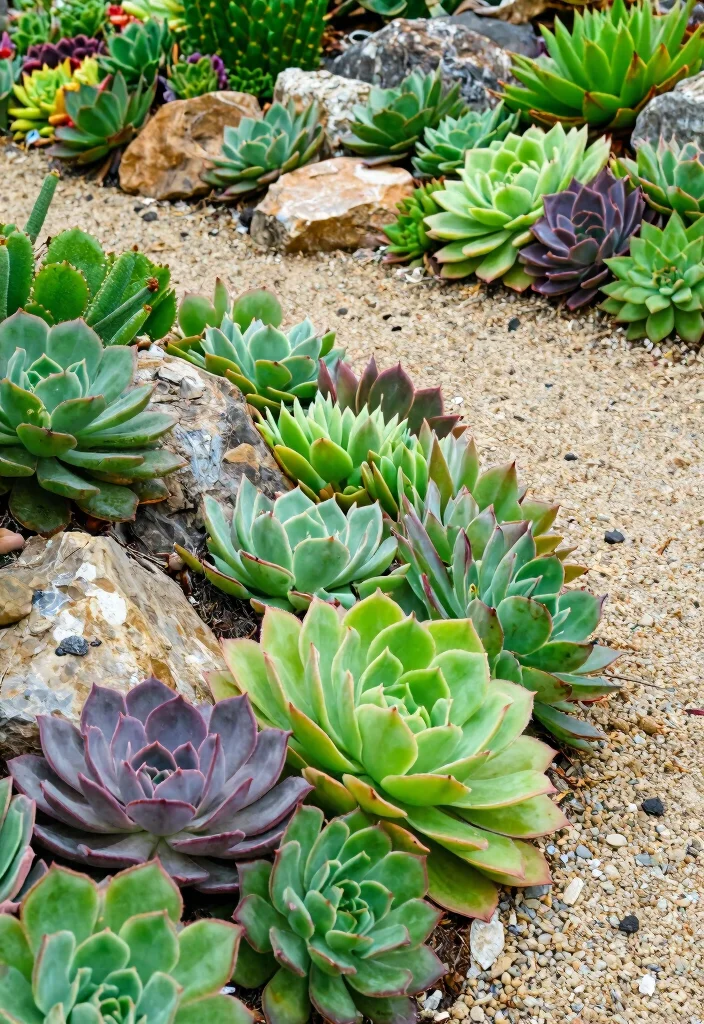
Succulent borders present a trendy and low-maintenance option that adds a modern touch to your outdoor space. With their unique shapes and vibrant colors, succulents can create a visually stunning edge around your garden. These hardy plants thrive in various conditions, making them a resilient choice that requires minimal upkeep. The diverse textures and forms of succulents add depth and interest to your landscaping and can be interspersed with rocks or gravel for a dynamic effect.
To achieve a lively look, choose a variety of succulent species that complement each other in color and form. Ensuring proper drainage is crucial for their health and longevity, so consider adding gravel to the soil mix. Pairing succulents with desert-themed decor can create a cohesive and inviting design.
Suggestions:
– Select diverse species for visual interest.
– Ensure excellent drainage for healthy plants.
– Incorporate desert-themed decor for a unified design.
This contemporary choice not only enhances your garden’s beauty but also reflects a modern, eco-friendly approach to landscaping.
Conclusion
Your outdoor space deserves a little love, and these eco-friendly fence edging ideas can help you achieve a polished, inviting look while keeping the planet in mind.
From colorful bricks to recycled tires, each suggestion provides a unique way to enhance your garden borders and improve your landscaping. By choosing sustainable options, you not only beautify your yard but also contribute to a healthier environment. Don’t hesitate to mix and match these ideas to create a one-of-a-kind outdoor sanctuary that reflects your personal style.
Frequently Asked Questions
What are some eco-friendly fence edging ideas for neat garden borders?
For a polished, eco-friendly look, start with reclaimed or locally sourced materials. Consider fence edging ideas like reclaimed brick, salvaged stone, or bamboo to frame your garden borders. Pair with native, drought-tolerant plants for a sustainable edge that supports local biodiversity, a key part of landscaping ideas. Use permeable gravel or mulch to reduce water use, and finish with solar-powered lights for subtle outdoor decor.
Tip: choose materials that blend with your home and soil type to simplify maintenance and yard improvement goals.
How can I design durable, low-maintenance fence edging that stays eco-friendly over time?
Focus on durable materials and simple installation. Look for options like natural stone, brick, reclaimed wood, or recycled plastic lumber that require minimal upkeep and avoid toxic treatments. Install with a shallow trench and permeable base so water can drain, which helps long-term durability and yard improvement.
Maintenance tips: keep moss and weeds in check with a natural mulch, reseal wood with a non-toxic finish if needed, and replace damaged pieces with eco-friendly options. This keeps your fence edging ideas looking neat while preserving garden borders and outdoor decor.
What are easy DIY fence edging ideas that boost curb appeal and fit eco-friendly landscaping ideas?
Try these quick DIY ideas: 1) Reclaimed brick or paver edging for timeless lines. 2) A gravel strip with flexible metal edging for a crisp, low-maintenance boundary. 3) A living edge using low-water groundcovers or sedums to blend border with soil. 4) A curved cedar or bamboo edge sealed with a non-toxic finish for a natural look. 5) A decorative panel or lattice with climbing plants to add vertical interest while staying eco-friendly.
How can I integrate fence edging with garden borders to improve yard improvement and outdoor decor?
Plan with a single design language: pick a edging material and color that complements your existing garden borders. Use varying heights to create visual interest, but keep lines clear for a neat border. Map the area, mark where edging will go, and install along natural transitions between lawn and beds. Consider embedding a narrow, low-maintenance border that ties into your landscaping ideas and outdoor decor scheme, and add plants that spill slightly over the edge for a soft, cohesive look.
What maintenance tips help keep fence edging ideas neat without harming the environment?
Keep it tidy without harsh chemicals: sweep, prune, and hand-pull weeds near edges. Use a mild, eco-friendly cleaner for any stains and rinse well. Mulch the border to suppress weeds and protect roots, and refresh as needed with sustainable materials like shredded bark or composted gravel. If you use wood, choose non-toxic sealants and re-seal every few years. With these practices, your fence edging ideas stay neat while supporting yard improvement and eco-friendly landscaping.
Related Topics
home decor
garden borders
eco-friendly
landscaping ideas
outdoor decor
decorative fencing
yard improvement
DIY fencing
sustainable landscaping
beginner friendly
seasonal decor
easy upgrades